

Did you know the temperature of the water you drink affects your hydration and health? Drinking water at the right temperature can help your body absorb it better. It can also make you feel more comfortable and improve your body’s performance.
A study showed that drinking water at about 60°F (~16°C) is best for staying hydrated. It’s cool enough to make you want to drink but not so cold that it makes you sweat too much. But, the perfect water temperature can change depending on when you drink it, your body temperature, health, and how much you sweat. You can learn more about the best water temperature for drinking on Wisewell’s blog.
Key Takeaways
- Drinking water at around 60°F (~16°C) can lead to optimal hydration.
- Personal preference and context play a significant role in determining the ideal water temperature.
- Factors such as time of day, body temperature, and health conditions can influence the optimal water temperature.
- Warm water can be beneficial for digestive issues, while cold water may trigger migraines.
- The ideal water temperature can vary across different regions and cultures.
Understanding Optimal Water Temperature
Water temperature is key in our daily lives. It affects our health and routines. From drinking and cooking to bathing and swimming, water temperature impacts our comfort and well-being.
Importance of Water Temperature in Daily Activities
The water temperature we use in daily activities affects our comfort and task effectiveness. For example, drinking water at the right temperature boosts hydration and health. The ideal drinking water temperature is between 50°F and 90°F (10°C to 32°C). You can learn more about the best temperature to drink water.
Effects on Health and Well-Being
Water temperature can directly affect our health. Bathing in water that’s too hot or too cold can harm our skin and heart. Warm water is best for bathing as it relaxes us and improves sleep. Cold water, on the other hand, can be refreshing and boost circulation.
Knowing the right water temperature for different activities is vital. It helps us enjoy its benefits while avoiding risks. Following water temperature guidelines ensures safety and comfort in our daily lives.
Optimal Water Temperature for Drinking
Drinking water at the right temperature is key for staying hydrated. It affects our health and how our drinks taste. The best water temperature can help our bodies absorb it better.
Best Temperatures for Hydration
The perfect water temperature for drinking varies among individuals. Generally, cool or room temperature water is best for our bodies. Water that’s too cold can make blood vessels narrow, slowing down digestion and absorption.
- Room temperature water (around 20-25°C or 68-77°F) is often recommended for optimal hydration.
- Cool water (around 10-15°C or 50-59°F) can be more refreshing and is suitable for most people.
Water temperature also affects its taste. Some like their water cold, while others prefer it at room temperature. Trying different temperatures can help you find what you like best.
Enhancing Flavor with Temperature
The temperature of water changes how drinks taste. For example, hot water is great for making tea or coffee because it brings out flavors better than cold water.
“The art of brewing tea is not just about the tea leaves, but also about the temperature of the water. The ideal temperature can bring out the subtle flavors and aromas of the tea.”
For drinks like juice or cold brew coffee, cold water is best to keep the flavor. Here are some guidelines for different drinks:
| Beverage | Recommended Water Temperature |
|---|---|
| Tea | Hot (around 90-100°C or 194-212°F) |
| Coffee | Hot (around 90-100°C or 194-212°F) |
| Cold Brew Coffee | Cold (around 5-10°C or 41-50°F) |
Adjusting the water temperature for different drinks can improve your drinking experience. Whether it’s tea, coffee, or just water, the right temperature matters a lot.
Optimal Water Temperature for Bathing
Finding the perfect water temperature is key to enjoying a soothing bath. The temperature of the water can significantly impact the bathing experience, affecting both relaxation and safety.
Benefits of Warm Baths
Warm baths offer numerous benefits, including relaxation and relief from muscle tension. Soaking in warm water can help to reduce stress and promote a good night’s sleep. The warmth can also improve circulation by dilating blood vessels, which can be beneficial for those with circulatory conditions.
Beyond relaxation, warm baths can also provide therapeutic benefits. For instance, warm water can help to alleviate symptoms of arthritis by reducing stiffness and pain in the joints. The buoyancy of water also supports the body, making it easier to move and exercise without strain.
Safety Considerations for Bathing
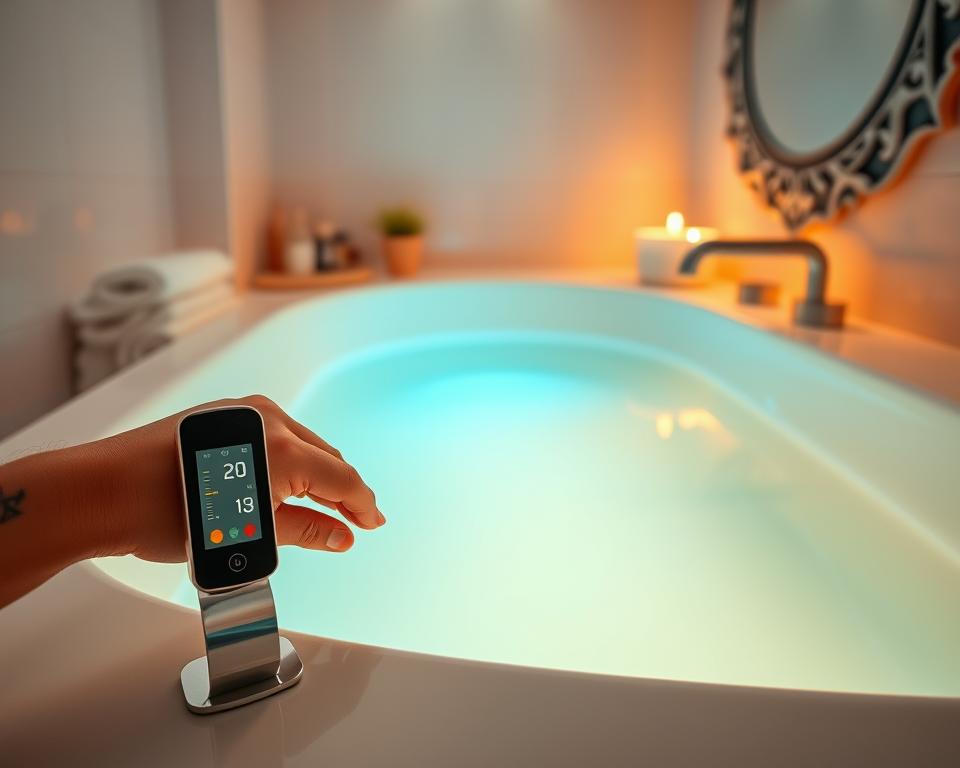
While warm baths can be very beneficial, it’s important to consider safety to avoid discomfort or injury. One of the primary safety concerns is the risk of scalding from water that is too hot. To mitigate this risk, it’s recommended to check the water temperature before getting in, ideally using a thermometer to ensure it’s within a safe range, typically between 98°F and 104°F.
Another safety consideration is the risk of dehydration and dizziness when bathing in very warm water. It’s essential to stay hydrated before and after bathing and to be mindful of how your body is reacting to the water temperature. If you feel dizzy or uncomfortable, it’s best to exit the bath and cool down.
- Always test the water temperature with your hand before getting in.
- Keep the bathroom well-ventilated to prevent overheating.
- Avoid bathing for too long, as this can lead to dehydration.
Optimal Water Temperature for Swimming
The perfect water temperature can really boost your swimming, whether you’re racing or just for fun. It impacts how well you swim and how comfortable you feel. So, it’s really important to think about it.
Ideal Temperatures for Various Swimming Activities
Swimming activities need different water temperatures. For serious swimmers, the World Aquatics says the best temperature is between 25°C to 28°C (77°F to 82.4°F). For those swimming for fun, a range of 78°F to 82°F (25.5°C to 28°C) is comfy.
For kids and seniors, warmer water is safer. It helps prevent getting too cold. A good temperature for them is around 84°F to 86°F (29°C to 30°C).
Preparing for Swimming in Different Conditions
Swimmers need to get ready in different ways for different water temperatures. For cold water, getting used to it slowly is important. This helps your body adjust.
In warm water, drinking lots of water is key to avoid getting too dehydrated. Also, knowing the signs of heat exhaustion is important.
| Swimming Activity | Ideal Water Temperature (°F) | Ideal Water Temperature (°C) |
|---|---|---|
| Competitive Swimming | 77 – 82.4 | 25 – 28 |
| Leisure Swimming | 78 – 82 | 25.5 – 28 |
| Swimming for Children/Older Adults | 84 – 86 | 29 – 30 |
Knowing and following these tips can make your swimming better. It makes sure you have a good time and stay safe.
Optimal Water Temperature for Cooking
Getting the right water temperature is key to cooking well. It makes a big difference in how your food turns out. Whether you’re boiling, steaming, or simmering, the water’s temperature is very important.
Cooking Guidelines for Different Foods
Different foods need different water temperatures to cook right. For example, delicate fish cooks best in simmering water, around 180°F to 190°F. This keeps it from falling apart. On the other hand, pasta is usually boiled at a full boil, about 212°F, to get it just right.
Vegetables also need the right water temperature. Boiling them and then cooling them down quickly helps keep their color and nutrients. For veggies like carrots and potatoes, boiling at a lower temperature helps them cook evenly without getting too mushy.
The Science Behind Water Temperature in Cooking
The science of water temperature in cooking is about how it changes food’s chemical and physical properties. For instance, potatoes gelatinize and become tender when cooked in water between 194°F and 212°F. Knowing this can help cooks get better results.
Here’s a quick guide to water temperatures for different cooking tasks:
| Cooking Task | Recommended Water Temperature |
|---|---|
| Boiling Pasta | 212°F (100°C) |
| Simmering Delicate Fish | 180°F – 190°F (82°C – 88°C) |
| Blanching Vegetables | 212°F (100°C) |
| Cooking Root Vegetables | 190°F – 200°F (88°C – 93°C) |
By knowing and using the right water temperatures for different cooking tasks, home cooks can make their dishes much better. It’s a simple trick to improve your cooking and get more consistent results.
Factors Affecting Water Temperature
Knowing what affects water temperature is key for getting the ideal water temperature in different situations. Water temperature is important in many daily tasks. Understanding its influences helps us make better choices.
Environmental Influences
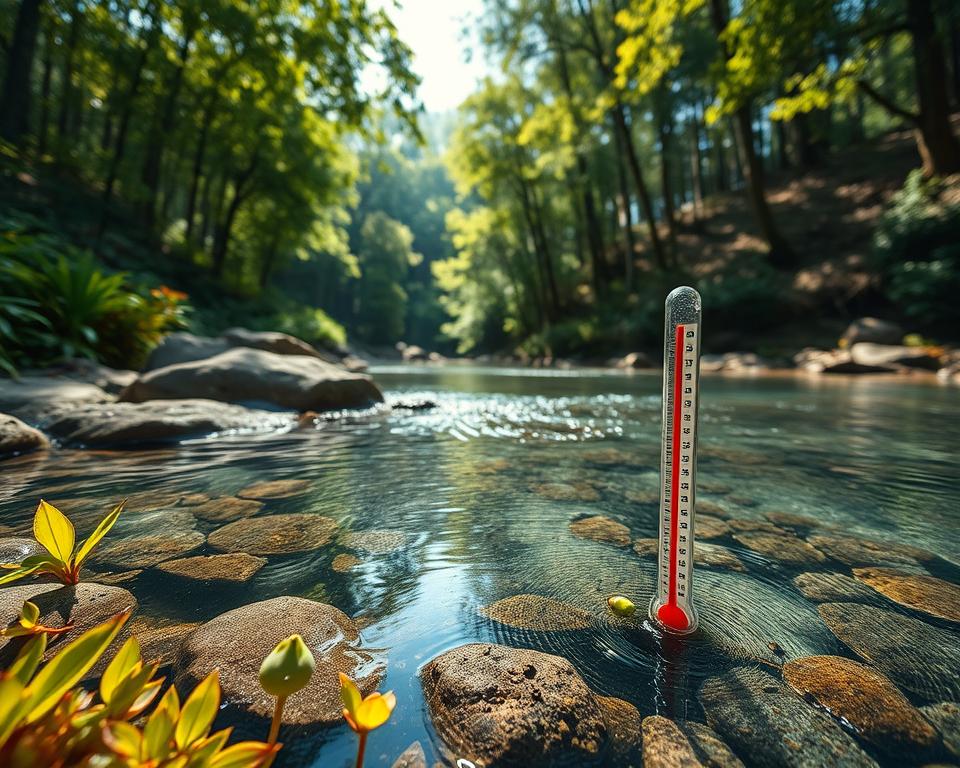
Environmental factors greatly impact water temperature. For example, the air temperature, water depth, and shading can change it. Climate change also affects water temperature over time.
Human actions like industrial processes and urban runoff also play a role. For instance, warm water from factories can increase nearby water temperatures.
Seasonal Changes
Seasonal changes are also key in affecting water temperature. In summer, water gets warmer because of more sunlight and warmer air. In winter, water gets colder as the air temperature drops.
Knowing these changes is vital for activities like swimming. The safe water temperature is important for comfort and safety. Swimming in cold water without getting used to it can cause hypothermia.
By understanding both environmental and seasonal impacts on water temperature, we can adjust better. This helps us reach the best temperature for our needs.
Measuring Water Temperature Accurately
Measuring water temperature accurately is very important. It affects many parts of our daily lives. This includes cooking, bathing, swimming, and even drinking water.
To get accurate readings, you need the right tools. Let’s look at some effective methods and devices for measuring water temperature.
Tools for Temperature Measurement
There are many tools for measuring water temperature. Each has its own benefits and uses.
- Digital Thermometers: These are very accurate and give quick results. They’re great for cooking, bathing, and checking drinking water temperatures.
- Infrared Thermometers: These are good for measuring water in big containers or pools without touching it.
- Thermocouple Thermometers: Known for their durability and fast response, these are often used in industrial settings.
Tips for Consistent Accuracy
To get consistent accuracy in water temperature measurements, follow these tips:
- Calibration: Regularly calibrate your thermometers to ensure they’re accurate.
- Proper Immersion: Make sure the thermometer is fully in the water for an accurate reading.
- Avoid Extreme Temperatures: Be careful when measuring very hot or cold water. It can affect the thermometer’s accuracy.
By using the right tools and following these tips, you can ensure accurate water temperature measurements. This helps you achieve the best water temperature in different situations.
How to Adjust Water Temperature
Adjusting water temperature is key for many uses. It’s important for relaxing in a warm bath, cooking, or swimming. Knowing how to change the water temperature can make your experience better.
Methods for Heating Water
Heating water to the right temperature is important. Here are some common ways:
- Electric Kettles: Quick and efficient, electric kettles are great for heating water for tea, coffee, or instant soups.
- Stovetop: Using a pot on the stovetop lets you control the temperature well, perfect for cooking and more.
- Water Heaters: For always having hot water, water heaters are installed in homes, giving you hot water when you need it.
When heating water, think about the recommended temperature for your task. This will help you get the best results.
Cooling Techniques for Water
Cooling water down is sometimes needed, like for drinking or swimming in hot weather. Here are some good ways to cool it:
- Ice Cubes: Adding ice cubes to water quickly lowers its temperature.
- Refrigeration: Putting water in the fridge cools it down slowly, good for drinking water.
- Cooling Coils or Systems: For lots of water or precise control, special cooling systems work well.
Knowing the best water temperature for different activities helps pick the right cooling method.
| Activity | Recommended Water Temperature | Method for Adjustment |
|---|---|---|
| Bathing | 98°F – 104°F | Mixing hot and cold water |
| Cooking Pasta | Boiling (212°F) | Stovetop heating |
| Swimming | 78°F – 82°F | Pool heating/cooling systems |
Learning to adjust water temperature makes activities more comfortable and fun.
Common Myths About Water Temperature
It’s hard to tell fact from fiction about water temperature. For years, we’ve heard things that might not be true. Let’s explore the myths and find out what’s real.
Debunking Popular Misconceptions
Many think drinking very cold water is bad for you. But, the truth is that water temperature doesn’t really affect how well you hydrate. What’s important is that the water is clean and safe.
Some believe hot baths are always relaxing. But, water that’s too hot can actually cause dehydration and discomfort. It’s key to find a temperature that relaxes you without harming you.
| Myth | Reality |
|---|---|
| Drinking cold water causes illness | The temperature of water has minimal impact on hydration |
| Hot baths are always relaxing | Water that’s too hot can cause dehydration |
The Truth Behind Old Wives’ Tales
Old wives’ tales often talk about water temperature. For example, “drinking cold water after a meal will cause indigestion.” Research shows that how water temperature affects digestion is more complicated than we thought. Many things, not just water temperature, affect digestion.
It’s also believed that “bathing in cold water can boost your immune system.” Some studies suggest cold showers might be good for you. But, the science isn’t clear, and more research is needed.
By knowing the truth about these myths, we can make better choices about water temperature. We can find the ideal water temperature for our needs and keep a safe water temperature.
Conclusion and Final Thoughts on Optimal Water Temperature
Knowing the right water temperature is key for better daily life. It affects how we drink, bathe, swim, and cook. By focusing on water temperature, we can boost our health and happiness.
Key Takeaways
The perfect water temperature changes with each activity. For example, drinking water should be between 50°F and 60°F (10°C to 15°C) for best hydration. Taking a warm bath, between 98°F and 104°F (36°C to 40°C), is super relaxing.
Swimming temperatures should be between 78°F and 82°F (25°C to 28°C) for top performance. Following these guidelines can make our experiences better.
Finding Your Ideal Temperature
Try different temperatures to see what feels best for you. Whether it’s the perfect bath water or the right drinking water, small changes can make a big difference. By using the right water temperature, you can make your daily life more comfortable.