

Did you know that the flavor and aroma of your favorite coffee can fade quickly? As someone who loves coffee, I’ve found that keeping it fresh is key to a great cup.
Knowing what impacts coffee bean freshness and how to keep it that way is important. In this guide, I’ll share tips on how to keep your coffee fresh for longer.
Key Takeaways
- Understand the factors that affect coffee freshness
- Learn how to store coffee beans for optimal flavor
- Discover tips for maintaining coffee freshness
- Explore the importance of coffee bean quality
- Get insights into the best practices for coffee storage
Understanding Coffee Freshness
As a coffee lover, I’ve learned that knowing about coffee freshness is essential. It’s what makes your coffee taste and smell just right.
What Does Freshness Mean in Coffee?
Freshness in coffee means the beans are at their best taste and smell right after roasting. Coffee beans are at their peak flavor within a few days to a couple of weeks after roasting. This depends on the bean type, roast level, and how you store them.
When coffee is fresh, it releases CO2. This is called degassing and it changes the flavor. Keeping it stored properly is key to preserving coffee flavor.
The Importance of Freshness to Flavor
The freshness of your coffee greatly affects its taste. Fresh coffee has a lively, complex flavor and a nice smell. But as it gets older, it loses these qualities and tastes stale.
To keep your coffee fresh, follow coffee storage tips. Store coffee beans in a sealed container, away from light, heat, and moisture. This keeps your coffee tasting great for longer.
Understanding and managing coffee freshness can greatly improve your coffee experience. Whether you drink coffee often or just sometimes, the freshness of your coffee is very important.
Types of Coffee Beans
The taste of your coffee depends on the coffee beans you pick. There are many types, and knowing the differences is key.
Arabica vs. Robusta
Arabica and Robusta are the main coffee bean types. Arabica tastes mild and complex, while Robusta is bolder and bitter. Arabica is pricier because it’s of higher quality and grows in tougher conditions.
I choose Arabica for its deep flavor, which keeps coffee bean freshness better. Here’s a comparison of Arabica and Robusta:
| Characteristics | Arabica | Robusta |
|---|---|---|
| Flavor Profile | Mild, nuanced | Bitter, bold |
| Growing Conditions | Delicate, high altitude | Hardy, lower altitude |
| Price | Generally more expensive | Less expensive |
Specialty vs. Commercial Beans
Specialty coffee beans are of higher quality and have unique flavors. Commercial beans are mass-produced and may not have the same taste.
For the best coffee bean freshness, go for specialty beans. They have a richer flavor and are roasted in smaller batches, which means they’re fresher.
When storing coffee beans, whether they’re Arabica or Robusta, or specialty or commercial, follow the best way to store coffee beans. Keep them in an airtight container, away from light and heat.
How I Store My Coffee Beans
Storing coffee beans right is essential for a perfect cup. The right storage keeps your coffee fresh and flavorful. This way, every cup tastes as good as the first.
The container you pick is very important. Airtight containers are best because they keep air, moisture, and light out. Glass or ceramic containers with tight lids work great for coffee.
Choosing the Right Container
Not all containers are the same. Here’s how to pick the right one:
- Look for containers that are airtight and have a one-way valve to release CO2.
- Choose containers made from materials that don’t affect the coffee’s taste or smell, like glass or stainless steel.
- Avoid containers that let light through, as light can spoil the coffee.
Ideal Storage Conditions
Storage conditions matter a lot too. Coffee beans need to be kept cool and dark. Avoid storing coffee near heat or in sunlight, as it can lose flavor and aroma.
Here are more storage tips:
- Store coffee at room temperature, away from heat sources.
- Keep coffee away from moisture and humidity.
- Don’t store coffee in the fridge or freezer unless it’s for a long time, and use airtight containers then.
By following these tips, you can enjoy your coffee at its best. Proper storage makes a big difference in your coffee experience.
Buying Fresh Coffee
Fresh coffee is key to a great coffee experience. I’m here to help you find it. Buying fresh coffee beans is the first step in maintaining coffee freshness. This is important for a delicious cup of coffee.
Where to Find Fresh Coffee Beans
It’s easy to find fresh coffee beans. Just visit your local coffee roaster or a specialty coffee shop. These places usually have a lot of beans, so they’re always fresh. You can also check out local coffee events or farmers’ markets where roasters sell their coffee.
- Local coffee roasters
- Specialty coffee shops
- Coffee festivals and events
- Farmers’ markets
When buying online, look for roasters that show roast dates on their packaging. They should also ship quickly to keep the coffee fresh.
Reading Roast Dates and Labels
It’s important to know how to read roast dates and labels. The roast date tells you when the coffee was roasted. Coffee is best within two to four weeks after roasting.
“The best coffee is roasted to bring out the unique characteristics of the beans. Paying attention to the roast date is essential for how to keep coffee fresh.”
Here are some tips for reading labels:
- Check for the roast date.
- Look for information on the origin of the beans.
- Understand the roast level (light, medium, dark).
By paying attention to these details, you can enjoy your coffee at its best. This will make your coffee experience even better.
The Roasting Process
The art of roasting coffee is key to unlocking its flavors and aromas. If you love coffee, knowing about roasting can make your coffee even more special.
How Freshly Roasted Coffee Is Made
Freshly roasted coffee starts with green coffee beans. They are turned into brown beans through a precise roasting process. This involves heating the beans to high temperatures, usually between 400°F to 450°F.
This heat brings out the coffee’s flavors and aromas. The time and temperature used can change the coffee’s taste.
Roasting levels range from Light to Dark. Lighter roasts are fruity and acidic. Darker roasts are richer and more bitter. Your choice depends on what you like and how you brew your coffee.
The Science Behind Roasting
The science of roasting is complex. It involves chemical reactions when green coffee beans are heated. The Maillard Reaction is a key process.
“The Maillard Reaction is a critical step in roasting. It helps create the coffee’s flavor and aroma.”
Knowing the science behind roasting shows the skill needed to make great coffee. By picking the right roast and storing it well, you can keep your coffee fresh. This way, you’ll always enjoy a great cup.
Grinding Coffee for Freshness
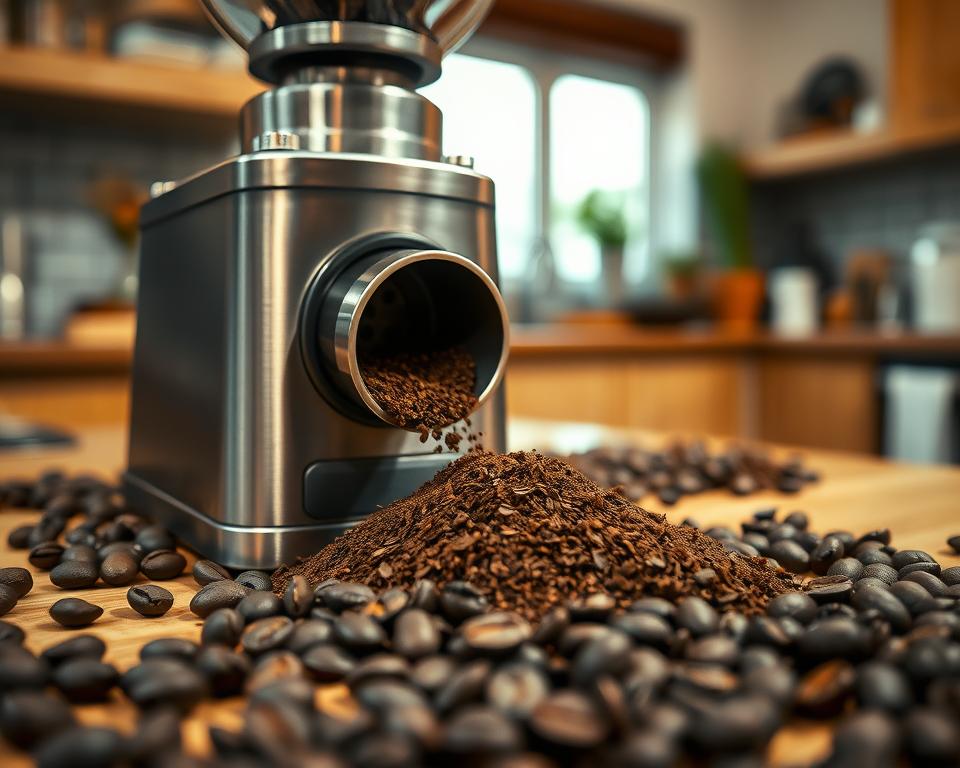
Freshly ground coffee is essential for a perfect cup. I’ll show you how to grind your coffee right. Grinding at the right time keeps your coffee fresh and flavorful.
When to Grind Your Coffee
Grinding your coffee at the right time is key. Grinding too early can lose flavor and aroma. James Hoffmann, a coffee expert, says, “Grind your coffee just before brewing to preserve its flavor.” Grind your coffee right before you brew for the best taste.
For more tips, check out this grind guide to improve your technique.
The Effect of Grind Size on Freshness
The grind size greatly affects your coffee’s taste and freshness. A grind that’s too fine can make your coffee bitter. On the other hand, a grind that’s too coarse can make it weak.
The ideal grind size depends on your brewing method. Adjust your grind for your brewing method. For example, a French press needs a coarse grind, while an espresso machine needs a fine grind.
Storing your coffee beans properly is also important. Keep them in an airtight container in a cool, dark place. This helps keep their flavor and aroma. With the right storage and grinding, you’ll enjoy a more flavorful coffee.
Freshness and Brewing Methods
The way you brew your coffee greatly affects its freshness and taste. As a coffee lover, I’ve tried many brewing methods. I wanted to find the best ones to keep my coffee fresh.
Best Brewing Methods for Fresh Coffee
Each brewing method brings out unique flavors in your coffee. Pour-over and French press let you control brewing well, keeping coffee fresh. Drip brewing is easy and consistent if done right.
Think about the flavor you like and how it keeps your coffee fresh. For example, brewing methods like French press steep coffee grounds longer. This makes the coffee taste richer but can lead to over-extraction if not managed.
Why Fresh Coffee Matters in Brewing
Fresh coffee is key for a great cup. Coffee that’s been roasted and ground recently tastes better. Old coffee tastes dull, no matter how you brew it.
To keep coffee fresh, store it right. The best way to store coffee beans is in an airtight container in a cool, dark spot. This keeps the beans fresh by blocking air, light, and heat.
Using the right brewing method with fresh coffee and proper storage makes your coffee better. Try different brewing ways and keep your coffee fresh for a better taste.
Recognizing Staleness
Coffee freshness is short-lived, and knowing when it’s stale is key. If you love a good cup of coffee, spotting staleness is important. It helps you enjoy your coffee at its best.
Signs That Your Coffee Has Gone Stale
Stale coffee loses its bright flavor and smell. Look out for these signs:
- Loss of Aroma: Fresh coffee has a unique smell. If it doesn’t smell right, it might be stale.
- Flat Flavor: Stale coffee tastes dull and lacks the rich taste of fresh coffee.
- Visible Oil or Mold: Check for oil or mold on the beans or grounds.
If you see these signs, your coffee is likely stale. But how do you check its freshness?
How to Test Coffee Freshness
Testing coffee freshness is simple:
- Smell Test: Fresh coffee has a distinct smell. If it smells off, it might be stale.
- Taste Test: The best way to check is to brew a cup and taste it. Stale coffee tastes flat.
- Visual Inspection: Look for signs of staleness like oil or mold on the beans or grounds.
By following these steps, you can tell if your coffee is fresh or not.
| Freshness Indicator | Fresh Coffee | Stale Coffee |
|---|---|---|
| Aroma | Rich and vibrant | Flat or unpleasant |
| Flavor | Rich and complex | Flat and bland |
| Appearance | No visible oil or mold | Visible oil or mold |
To keep your coffee fresh, use coffee storage tips. Store it in an airtight container in a cool, dark place. Knowing how to keep coffee fresh greatly improves your brew’s quality.
Using Coffee Freshness Tools
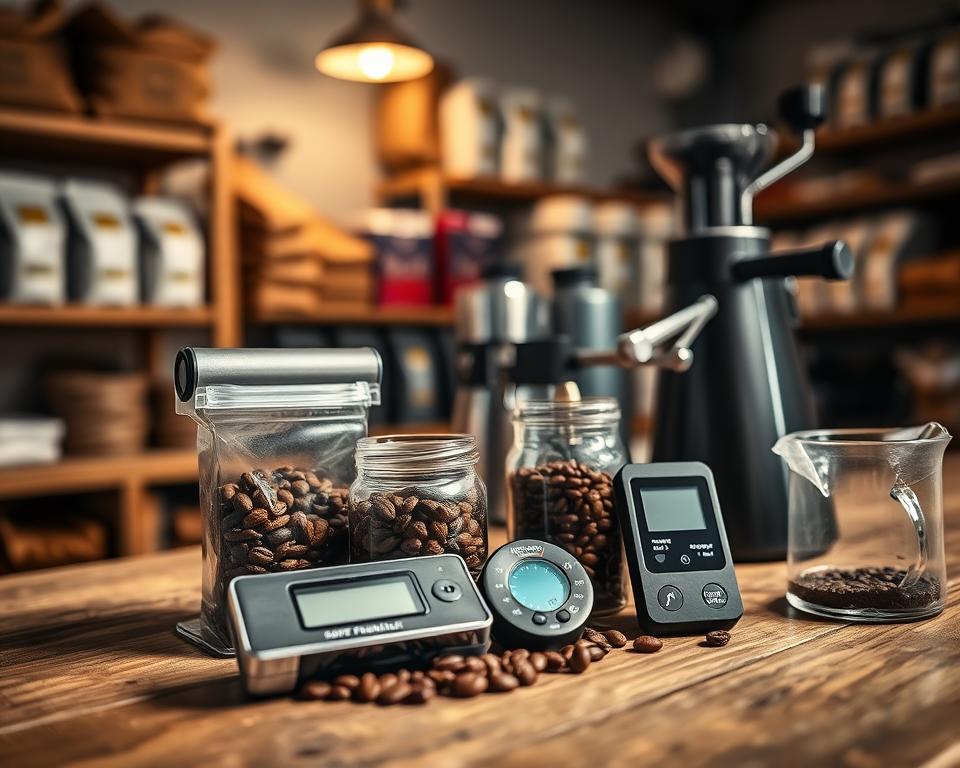
As a coffee lover, I’ve found that the right tools make a big difference. Keeping coffee beans fresh means paying close attention. There are many tools out there to help.
My Favorite Coffee Freshness Trackers
There are many coffee freshness trackers to choose from. My top pick is a Wi-Fi-enabled container that tracks bean age. This tool has been a game-changer for me, making sure my coffee is always at its best.
Simple Ways to Measure Freshness at Home
At home, you can measure coffee freshness in simple ways. For example, use a kitchen scale to check the beans’ weight. Fresh beans are denser than stale ones. This method is easy but not as precise as electronic trackers.
By adding these tools and methods to your coffee routine, you can keep your coffee fresh longer. This ensures every cup is as enjoyable as the first. Following a coffee freshness guide and using the right tools can make a huge difference in prolonging coffee freshness.
The Shelf Life of Coffee
Coffee freshness is short-lived, and knowing its shelf life is key. It makes a big difference in your daily coffee. Keeping it fresh is essential for enjoying it fully.
How Long Can I Keep My Coffee?
The shelf life of coffee varies based on several factors. These include the type of beans, storage conditions, and packaging. Whole beans can last up to 6 months in an airtight container.
But, once you grind your coffee, its freshness drops fast. This is because it’s exposed to more air, moisture, and light.
Signs of a Shortened Shelf Life
Look out for these signs if your coffee is no longer fresh: a stale or sour smell, a flat or bitter taste, or visible mold.
‘Coffee that’s past its shelf life can be a disappointment,’ as noted by coffee connoisseurs.
By paying attention to these factors and signs, you can enjoy your coffee at its best.
Tips for Extending Freshness
As a coffee lover, I’ve learned that keeping coffee fresh is an art. It needs attention to detail. The taste and smell of your coffee can last longer with the right methods.
How to Keep Coffee Fresh Longer
To keep your coffee fresh, store it right. Use airtight containers made of glass or ceramic. These materials don’t absorb smells. Keep the container in a cool, dark spot, away from sunlight and heat.
Grind your coffee beans just before brewing to keep air out. This helps your coffee stay flavorful and aromatic. A burr grinder is best because it grinds evenly and doesn’t heat up the beans.
“The way you store your coffee beans can significantly impact their freshness. Proper storage is key to maintaining flavor.”
My Daily Freshness Routine
My daily routine keeps my coffee fresh. I buy coffee beans in small amounts to avoid long storage. I also grind my beans right before brewing. This keeps them fresh and boosts the flavor.
I follow a simple checklist every day:
- Check the storage container for any signs of moisture or air leakage.
- Grind the beans just before brewing.
- Brew using water at the optimal temperature.
By doing these steps, I enjoy a fresh and tasty cup of coffee every day.
Keeping coffee fresh involves proper storage, handling, and a daily routine. By using these tips, you can keep your coffee fresh and enjoy a better taste every time.
Why Fresh Coffee Matters
Fresh coffee is more than a daily habit; it’s an experience that makes mornings better. In this coffee freshness guide, we’ve seen the big difference between stale and fresh coffee. Freshly roasted and ground coffee beans add a vibrancy to my coffee that stale beans can’t match.
The Joy of Fresh Coffee
There’s a unique joy in drinking freshly brewed coffee. The complex flavors and aromas in each sip are a delight. By learning how to keep coffee fresh, I’ve made every cup special.
Enhancing My Coffee Experience
Simple practices like grinding my coffee beans just before brewing have made my coffee better. This guide has helped me enjoy the nuances of fresh coffee. It turns a simple cup into a delightful experience.