

I recently found out that the global specialty coffee market is growing fast. It’s expected to grow by over 10% every year. This is because people are looking for unique and high-quality coffee experiences.
As I explore specialty coffee, I see its roots are diverse. It comes from high-altitude regions in Ethiopia to coffee plantations in Latin America. The story of specialty coffee is as rich as its flavors.
The change in coffee from a simple drink to a sophisticated experience is amazing. I’m eager to learn more about this story. I want to find out what has made it grow so much.
Key Takeaways
- The global specialty coffee market is experiencing rapid growth.
- Specialty coffee has diverse origins that contribute to its unique flavor profiles.
- The evolution of specialty coffee is driven by consumer demand for high-quality coffee.
- The history of specialty coffee is closely tied to its geographical origins.
- The specialty coffee industry continues to innovate and expand.
The Origins of Coffee: A Journey Through Time
Coffee’s journey from a simple Ethiopian plant to a global phenomenon is remarkable. Its story is deeply tied to cultures and traditions worldwide.
The Discovery of Coffee in Ethiopia
The legend of coffee’s discovery in Ethiopia is captivating. A goatherd named Kaldi noticed his goats were more energetic after eating red berries. These berries were from the coffee plant.
Kaldi’s story may be anecdotal, but it highlights Ethiopia’s role in coffee’s origins. The highlands of Ethiopia are famous for their coffee, with heirloom varieties loved by coffee lovers.
The Spread of Coffee Cultivation
Coffee cultivation spread from Ethiopia to the Arabian Peninsula. The Arabs played a key role in its spread. They controlled trade routes and cultivated coffee systematically.
By the 15th century, coffee reached the Middle East. It was welcomed in courts and among intellectuals. Sufi shrines also played a part, as devout Muslims drank coffee as part of their spiritual practices.
The Emergence of Coffee Houses
As coffee grew in popularity, so did the culture around it. Coffee houses emerged as key spots. They became centers for intellectual and social activity.
Coffee houses were vital in the evolution of specialty coffee. They allowed coffee lovers to try new roasting and brewing methods. The culture of coffee houses continues to shape how we enjoy coffee today.
The Evolution of Coffee Cultivation Techniques
The art of growing coffee has changed a lot, making better and more varied coffee for us. Looking into the history of specialty coffee shows how new ways of growing coffee have shaped the industry.
From old days to now, growing coffee has changed a lot. At first, it was done the hard way, passed down through families. But now, thanks to science and tech, we grow coffee better, with more and better coffee.
Traditional Vs. Modern Methods
Old ways of growing coffee were often in forests, which helped keep nature and soil healthy. But today, we have new ways like:
- Precision farming that uses water and fertilizer better.
- New coffee plants that fight off diseases and pests better.
- Better ways to process coffee that make it taste better.
These new methods make growing coffee faster and better. They also help make the special tastes we love in specialty coffee.
The Rise of Arabica and Robusta Varieties
The coffee world mainly focuses on Arabica and Robusta. Arabica is loved for its rich taste and is seen as better quality. Robusta is tougher and has more caffeine.
With better growing and processing, Arabica’s unique tastes have become more popular. This is because its flavors are so sought after in specialty coffee.
As more people want top-notch coffee, knowing about Arabica and Robusta is key. It matters for those who grow coffee and for those who drink it.
The Birth of Specialty Coffee
To understand specialty coffee, we must look at what makes it different. Its history is tied to coffee’s evolution and the quest for quality.
Defining Specialty Coffee
Specialty coffee stands out for its high-quality beans and unique flavors. It’s about the whole process, from growing to brewing. The specialty coffee industry timeline highlights key moments, like the Specialty Coffee Association’s (SCA) founding.
The SCA’s grading system is key. It judges coffee on taste, smell, and acidity. Coffees scoring 80 or higher are considered top-notch.
The Role of Quality in Coffee Production
Quality is essential in making specialty coffee. Every step, from picking the beans to roasting, matters. Farmers follow strict rules, like sustainable farming and careful cherry handling.
This focus on quality improves the taste and helps farmers. It makes the coffee industry fairer and more sustainable.
The history of specialty coffee shows quality’s importance. Whether you love coffee or are new to it, knowing its history enriches your experience.
The Impact of the Third Wave Coffee Movement
As a coffee lover, I’ve seen the third wave coffee movement change coffee culture. It’s raised coffee’s status and how we enjoy it.
This movement focuses on top-notch, unique coffee beans and better brewing methods. It’s about valuing the skill in making the perfect coffee.
Understanding the Third Wave Phenomenon
The third wave is all about loving the art and science of coffee making. It celebrates coffee beans’ unique qualities from different places and roasters.
Some key parts of the third wave include:
- An emphasis on quality and distinctiveness in coffee beans.
- A focus on sustainable and ethical sourcing practices.
- The use of innovative brewing methods to bring out the best flavors.
Key Players in the Third Wave
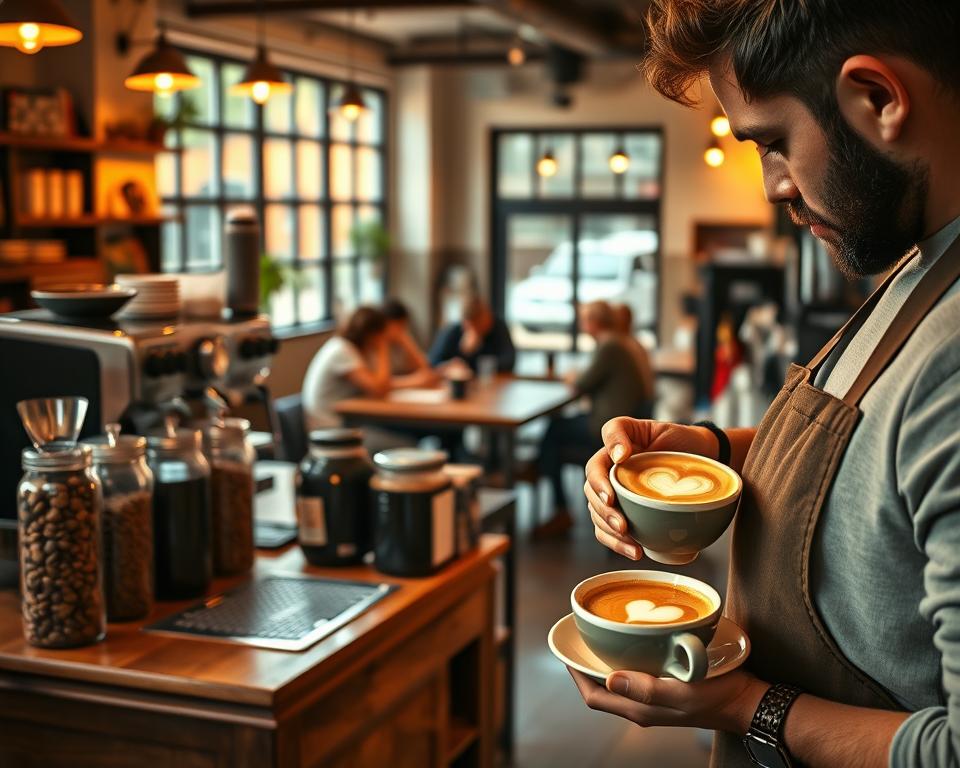
The third wave coffee movement has been led by specialty coffee roasters, coffee shops, and baristas.
| Company | Contribution | Location |
|---|---|---|
| Intelligentsia Coffee | Pioneered third wave coffee in the US | Chicago, IL |
| Blue Bottle Coffee | Popularized single-origin coffee | San Francisco, CA |
| Stumptown Coffee Roasters | Innovated direct trade practices | Portland, OR |
The third wave coffee movement keeps growing, shaping specialty coffee’s future. As people want better, unique coffee, demand will keep rising.
Notable Coffee Regions and Their Contributions
Exploring specialty coffee reveals that some regions are truly exceptional. These places are known for their top-notch coffee and rich culture. The variety in coffee comes from different regions, each with its own special terroir and ways of making coffee.
Colombia: The Heart of Arabica Excellence
Colombia is famous for its high-quality Arabica coffee. Its climate and geography are perfect for growing coffee. This results in beans that are full of flavor and aroma.
Colombian coffee is loved for its balanced acidity and caramel-like sweetness. Coffee lovers can’t get enough of it.
Ethiopia: The Birthplace of Coffee
Ethiopia is where coffee first started. Coffee is a big part of Ethiopian culture. Ethiopian coffee has distinctive flavor profiles, from fruity and floral to wine-like and sour.
The country’s coffee-growing areas, like Yirgacheffe and Sidama, add to its coffee legacy.
Brazil: A Global Coffee Supply Leader
Brazil leads the world in coffee production. Its coffee is known for its mild flavor and low acidity. This makes it a key part of many coffee blends.
The vast coffee farms in Minas Gerais and São Paulo show Brazil’s big role in the coffee world.
These regions, among others, have enriched specialty coffee. They’ve also shaped the coffee industry into what it is today. Knowing about each region helps us understand the complex flavors and qualities of specialty coffee.
The Science Behind Specialty Coffee Brewing
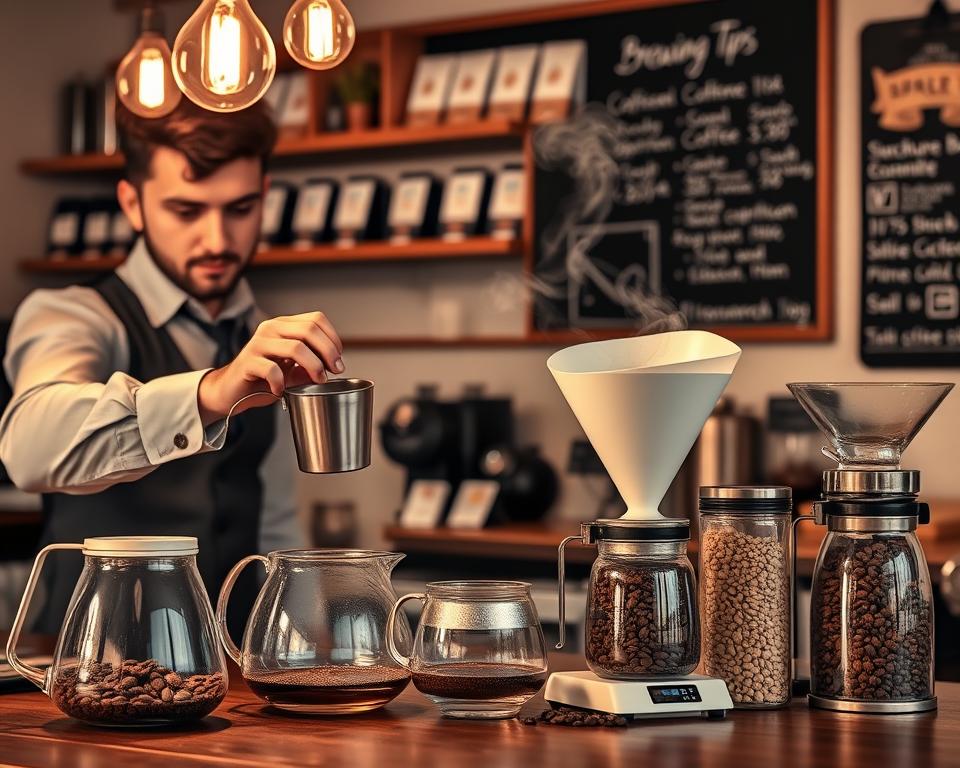
The science of specialty coffee brewing is really interesting. It looks into how coffee is extracted and how it affects taste. Knowing the brewing process can make you appreciate coffee even more.
Understanding Extraction and Flavor
Coffee extraction is key to the flavor of your coffee. Extraction is when we pull out the soluble parts from coffee beans. This includes acids, sugars, and other taste elements. Getting the right mix of these is important for a great cup.
The coffee-to-water ratio, water temperature, and brewing time all matter. Water that’s too hot can make the coffee taste bitter. Water that’s too cold can make it sour.
Brewing Methods That Elevate Taste
There are many brewing methods that can change how your coffee tastes. Pour-over, French press, and cold brew are just a few. Each method has its own way of bringing out the coffee’s flavors.
- Pour-over: Gives you control over brewing, leading to a clean taste.
- French press: Steeps coarse grounds in hot water, then presses them out. This makes a rich coffee.
- Cold brew: Steeps coarse grounds in cold water for a long time. It makes a smooth, low-acidity coffee.
By learning about these brewing methods and trying them out, you can get the most out of your specialty coffee.
The Role of Baristas in the Specialty Coffee Scene
The third wave coffee movement is growing fast. Skilled baristas are key to this growth. They are not just coffee makers; they are artists who bring out the best in specialty coffee. Their work shapes the coffee experience for everyone.
Skills That Make a Great Barista
A great barista has both technical and people skills. They must know how to extract coffee and use different brewing methods. They also need to be good with people, making customers feel welcome.
Some important skills include:
- Knowing about coffee beans and roasting
- Being good at brewing, like pour-over and espresso
- Steaming milk to the right consistency
- Talking well with customers to understand what they like
Being a skilled barista also means tasting and understanding coffee flavors. They need to know about the coffee’s origin too.
The Importance of Customer Experience
The way a barista talks to a customer is key to the coffee experience. A friendly barista can make someone’s day with a smile or a coffee story. It’s not just about serving coffee; it’s about connecting with people.
Baristas make the experience better in many ways:
- They make drinks just how customers like them
- They teach customers about coffee and brewing
- They make the coffee shop feel cozy and inviting
By focusing on these things, baristas are essential to the success of specialty coffee shops. They help the third wave coffee movement grow.
Coffee Tasting and Cupping: An Artform
Coffee tasting and cupping are more than just drinking coffee. They are a way to explore the deep flavors and scents of top-notch coffee beans. As someone who loves coffee, I find the detailed steps of tasting coffee fascinating.
Coffee tasting, or cupping, is a careful way to judge coffee’s quality and taste. It involves several steps to uncover each coffee bean’s special traits.
The Cupping Process Explained
The cupping process is a set method for checking coffee’s quality and taste. It includes a few key steps:
- Fragrance: Checking the coffee grounds’ smell.
- Flavor: Tasting the coffee.
- Acidity: Measuring the coffee’s sharpness.
- Body: Feeling the coffee’s texture and feel in the mouth.
- Aftertaste: Noting the flavors that stay after swallowing.
By following these steps, coffee experts can truly judge the quality and features of different coffee beans.
Flavor Profiles and Their Significance
Flavor profiles are key in figuring out a coffee’s quality and uniqueness. A coffee’s taste can be fruity and floral or chocolatey and nutty. This depends on the coffee bean type, how it’s processed, and its roast level.
Knowing about flavor profiles is important for coffee roasters, baristas, and fans. It lets them enjoy the complexity and subtleties of specialty coffee.
| Region | Flavor Profile |
|---|---|
| Colombia | Caramel, Chocolate, Fruit |
| Ethiopia | Fruity, Floral, Wine-like |
| Sumatra | Earthy, Herbal, Smoky |
This table shows the unique tastes of coffee beans from different places. It shows how diverse specialty coffee can be.
The Growing Popularity of Sustainable Coffee Practices
The specialty coffee world is seeing more sustainable practices. This is because people want to help the planet and support fair trade. The industry is changing to meet these needs.
This change is not just about saving the environment. It’s also about making sure coffee can be grown for years to come. Sustainable methods affect the environment, coffee farmers, and the taste of coffee.
Fair Trade vs. Direct Trade
Fair Trade and Direct Trade are key in sustainable coffee. Fair Trade makes sure farmers get a fair price for their coffee. It promotes fair trade and transparency.
Direct Trade lets roasters buy coffee straight from farmers. This can mean better quality coffee and more money for farmers.
The Rise of Organic Coffee
Organic coffee is grown without harmful chemicals. It’s becoming more popular as people care more about their health and the planet.
Organic farming is good for the environment and can make coffee taste different. Many farmers are switching to organic to get better prices and protect their land.
The specialty coffee world is changing fast. Sustainable practices are becoming more important. By choosing sustainable coffee, we help make the coffee world better for everyone.
Innovative Trends in Specialty Coffee
Specialty coffee is more than just coffee. It’s about the experience. Trends show a mix of old and new. The third wave coffee movement is leading the way in creativity.
The specialty coffee industry timeline is filled with new ideas. From brewing methods to coffee drinks, innovation never stops. Let’s look at some exciting trends.
Cold Brew and Nitro Coffee Revolution
Cold brew coffee is getting more popular. It’s smooth and has low acidity. It’s made by steeping coffee beans in cold water for 12 to 24 hours.
Nitro coffee adds nitrogen to cold brew. This makes the coffee creamy and looks cool when poured. It’s a hit with coffee lovers.
Specialty Coffee Cocktails
Coffee and mixology have merged. Now, we have coffee cocktails that are all about taste and looks. You can find coffee old fashioneds and martinis.
Baristas are trying out coffee liqueurs, syrups, and creamers. They’re making drinks that are both tasty and beautiful. It’s a new way to enjoy coffee and see it as art.
The specialty coffee world is always changing. We can’t wait to see what’s next. One thing is sure: tradition, innovation, and creativity will keep shaping the industry.
The Future of Specialty Coffee
The specialty coffee world has grown a lot from the 1970s. With the evolution of specialty coffee speeding up, we’re looking at big growth in the next ten years.
Market Trends and Predictions
More people want unique, high-quality coffee. Younger folks are ready to spend more on specialty coffee. This trend is pushing the market to grow in places like Asia and South America.
Challenges Ahead
The industry has its hurdles, like too much competition, worries about sustainability, and making products stand out. To tackle these, companies need to use eco-friendly methods, be open about their supply chains, and keep innovating.
By knowing the coffee culture’s history and staying ahead, businesses can make the most of the growing demand. They can succeed in a market that’s getting more competitive.