


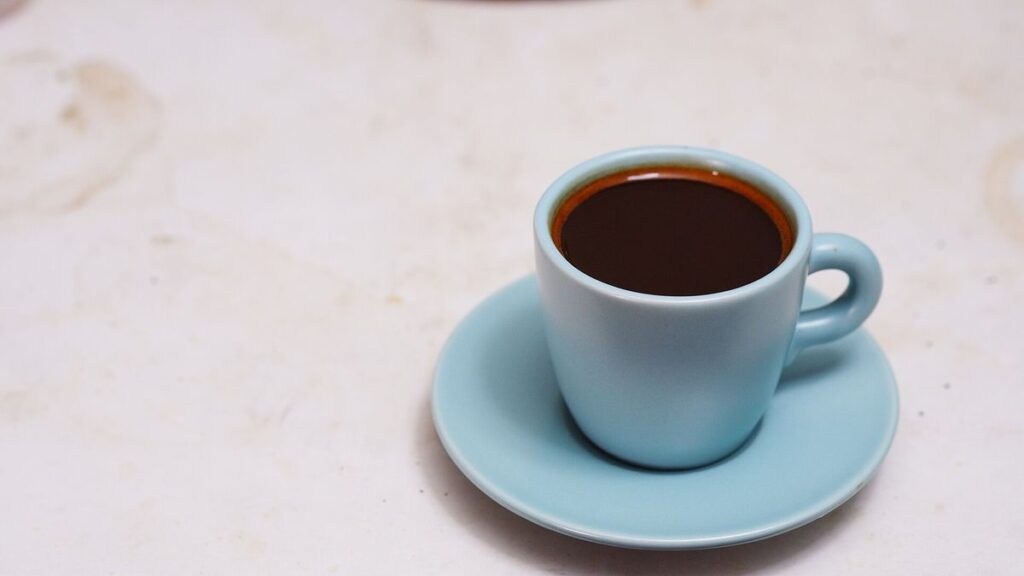
Home brewers spend a lot of attention on grinders, kettles and scales, then pour carefully brewed coffee into whatever mug is closest to the sink. That is understandable, but the cup is the last piece of gear your coffee touches before you taste it. Its material decides how fast the coffee cools, its shape changes how much aroma reaches your nose, and its size can quietly change how you brew.
You do not need an expensive collection of cups to enjoy better coffee. You need to understand a few simple ideas so you can pick one or two vessels that suit the way you drink. In this guide you will learn how the common mug materials behave, why shape matters for aroma, how to match size to your brew method, and which mistakes make good coffee taste dull.
Why the cup changes what you taste
Coffee is not a fixed flavor. As it cools, the way you perceive it changes. Very hot coffee tends to taste mostly of bitterness and roast, because heat makes it harder to notice sweetness and delicate acidity. As the cup cools a little, fruit, sweetness and texture become easier to pick out. Many cuppers deliberately taste the same coffee at several temperatures for exactly this reason.
That means your mug affects flavor in two ways:
- Heat behavior. A cup that sheds heat quickly gives you a short window of ideal temperature. A cup that holds heat for a long time stretches the hot, roast-forward phase.
- Aroma delivery. Much of what we call flavor is smell. A wide, open mouth lets aromas escape into the room; a slightly narrower opening gathers them where your nose is.
There is no single correct answer. The right cup is the one that keeps your coffee in the temperature range you enjoy for as long as you take to drink it.
Mug materials compared
Stoneware and porcelain
Ceramic mugs are the default for good reasons. They are neutral in taste, easy to clean and pleasant to hold. Thick stoneware takes some heat from the coffee at first, then releases it slowly, so the drink cools gradually. Porcelain is denser and usually thinner, which gives a more delicate feel at the lip, something many people notice when tasting lighter roasts.
Tip: a cold ceramic mug pulls a surprising amount of heat out of a small pour. Rinse it with hot water before brewing and your first sips will be noticeably warmer.
Glass
Glass is neutral in flavor and lets you see the color and clarity of the brew, which is fun with filter coffee and essential for layered milk drinks. Single-wall glass loses heat fairly quickly and can get hot to hold. If you use glass for hot drinks, choose heat-resistant glass made for that purpose and avoid pouring boiling liquid into a cold glass straight from a cold room.
Double-wall glass
Double-wall cups trap a layer of air between two walls, so the outside stays cool to the touch while the coffee stays warm longer. They look great and are comfortable to hold. The trade-offs are fragility, a higher price and the fact that many models are hand-wash only. Check the care instructions before putting them in a dishwasher or microwave.
Stainless steel and insulated tumblers
Vacuum-insulated steel is the champion of heat retention. That is perfect for a commute or a long morning at a desk, but it also means coffee can stay very hot for a long time, so you may never reach the cooler range where sweetness shows. Some people also find that a steel rim or lid changes the drinking experience. A good compromise is to drink from the tumbler with the lid off, or pour into a ceramic cup once you arrive.
Enamel and other camp mugs
Enamel-coated steel mugs are light and tough, which makes them popular for camping. The thin metal heats up at the rim and loses heat quickly in cold air. They are fine for the outdoors; just keep in mind that the rim can be hot right after pouring.
Shape: wide, tall, tulip or straight
Shape is the part most people never think about, yet it is easy to test at home.
- Wide, shallow cups cool coffee faster and spread aroma into the air. They suit people who like to drink quickly and enjoy a cooler cup.
- Tall, straight mugs keep coffee warm longer because less surface is exposed to air. They are practical for big morning mugs.
- Tulip or slightly tapered cups, wider in the middle and narrower at the top, concentrate aroma near your nose. Many tasting cups use some version of this shape.
- Thick rims vs thin rims. A thin rim lets coffee flow onto your tongue more smoothly; a thick, rounded rim feels cozier but can make the drink seem heavier.
Try this simple experiment: brew one pot of filter coffee and pour it into two different cups, one wide and one tapered. Smell both, then taste both at the same moment. Most people are surprised by how different the same coffee seems.
Size: match the cup to the brew
The cup should fit the drink you actually make. A mismatch causes small but annoying problems.
- Espresso is traditionally served in small, thick-walled cups that hold heat around a short drink. A large mug spreads a single shot thin and cools it fast.
- Milk drinks such as cappuccinos and flat whites need enough room for the milk and a wide opening if you want to pour latte art. Too small and you will spill; too big and the drink looks flat and cools quickly.
- Pour-over and French press coffee is usually brewed in a quantity that fills a regular mug. If your favorite mug is much larger than your usual brew, you may start brewing more to fill it and change your recipe without noticing.
- Iced coffee works best in a glass with enough space for ice, so the drink is not diluted to the brim before you even start.
A good habit is to weigh how much your favorite mug actually holds by filling it with water on your kitchen scale. Then brew to that volume instead of guessing.
Common mistakes that make good coffee taste worse
- Serving in a cold mug. Preheat with hot water; it takes ten seconds.
- Leftover detergent or old coffee oils. Rinse well after washing. A film of old oils can add stale, bitter notes, especially in insulated tumblers with lids.
- Strong-smelling cups. Plastic and some lids can hold onto smells from other drinks. Keep a dedicated cup for coffee if you notice this.
- Chipped or crazed glaze. Small cracks in the glaze make a cup harder to keep clean. Retire mugs that are visibly chipped on the rim.
- Leaving coffee on a warming plate. Keeping brewed coffee hot for a long time makes it taste flat and bitter. Brew smaller batches and keep them in an insulated carafe or a preheated cup instead.
How to clean and care for your cups
Clean cups taste better, and a few habits keep them in good shape:
- Wash ceramic and glass with warm water and a mild detergent, then rinse thoroughly.
- For brown coffee stains, a paste of baking soda and a little water usually lifts them without scratching.
- Insulated tumblers need attention at the lid: remove the gasket if the manufacturer allows it and let all parts dry completely before reassembling.
- Follow the maker’s instructions for dishwashers and microwaves, especially for double-wall glass, metal and anything with decoration on the surface.
A simple setup for most home brewers
If you are not sure where to start, this short list covers most situations without filling a cupboard:
- One medium ceramic or porcelain mug for daily filter coffee.
- One tapered or tulip-shaped cup for tasting new beans more carefully.
- One insulated tumbler for days when you need coffee on the go.
- A small cup for espresso if you have an espresso machine.
Summary
Your coffee cup is part of your brewing gear. Material controls how quickly the drink cools: ceramic and porcelain cool gradually, single-wall glass and enamel cool faster, and double-wall and vacuum-insulated vessels hold heat the longest. Shape controls aroma, with tapered cups gathering it and wide cups releasing it. Size should match your brew so you do not change your recipe by accident. Preheat your cup, keep it truly clean, and taste the same coffee in two different vessels at least once. It is the cheapest gear experiment you can run, and it often reveals flavors you were already brewing but not noticing.
Photo: A cup of espresso, by Vee Satayamas, license CC BY-SA 4.0, via Wikimedia Commons. Cropped.