


Walk into any specialty roaster and you will see two kinds of bags on the shelf. Some name a single country, region or even one farm. Others carry a house name like “Morning Blend” or “Espresso No. 2” and list several origins in small print. Prices overlap, the tasting notes all sound appealing, and it is not obvious which one belongs in your grinder.
This guide explains what single-origin coffee and blends really are, why roasters make each one, how they taste and behave in different brewers, and how to choose between them for your own routine. You will also find a few simple side-by-side experiments that make the difference obvious in your own kitchen.
What “single origin” actually means
There is no single legal definition of the term, and roasters use it with different levels of precision. In practice, single-origin coffee comes from one identifiable place, and that place can be described at several levels of detail:
- Country level: “Colombia” or “Ethiopia.” This is the broadest use and can still mean coffee from many farms and microclimates.
- Region level: “Huila, Colombia” or “Yirgacheffe, Ethiopia.” Narrower, and more likely to share a recognizable flavor style.
- Washing station or cooperative: coffee from many small farmers processed at one facility, common in East Africa.
- Single farm or estate: one producer’s coffee, often with the farm name on the bag.
- Micro-lot: a small, separately harvested and processed portion of a farm, such as one plot or one variety.
The more detail a label gives, the more traceable the coffee usually is. When a bag only says the country, it is still technically single origin, but it tells you less about what to expect in the cup.
What a blend is, and why roasters make them
A blend combines coffees from two or more origins. Blends are sometimes dismissed as a way to hide cheap beans, but in specialty coffee they are usually built on purpose, much like a winemaker combining grapes. Roasters create blends for a few practical reasons:
- Balance: one coffee brings body and chocolate notes, another brings brightness or fruit, and together they make a rounder cup than either alone.
- Consistency: coffee is a seasonal crop. A single farm’s lot runs out, but a blend recipe can be adjusted with new components so the house coffee tastes familiar all year.
- Espresso and milk drinks: espresso concentrates everything, including sharp acidity. Many roasters design blends that stay sweet and forgiving under pressure and still taste like coffee through steamed milk.
- Price: a blend can stretch a rare, expensive coffee by pairing it with a solid, more affordable base.
Some roasters blend green coffee before roasting, and others roast each component separately and mix afterward so each origin gets its ideal roast. Either way, a good blend is a recipe, not a leftover bin.
How they taste: clarity vs. harmony
The easiest way to think about the difference is clarity versus harmony.
A single-origin coffee tends to show clarity. Its character comes from one place, one processing method and often one or two varieties, so distinctive notes stand out. A washed Ethiopian might taste of jasmine and lemon; a natural-process Brazilian might lean toward peanut, cocoa and dried fruit. That distinctiveness is the point, and it can be exciting or, sometimes, a little too much for everyday drinking.
A blend aims for harmony. No single note should dominate. You will often find a solid core of chocolate, caramel or nuts, a moderate brightness, and a fuller body. It may be less surprising, but it is easier to like every single morning.
A quick tasting comparison
- Acidity: single origins range from very bright to very low; blends usually sit in the middle.
- Body: blends are often built for a medium to full body; single origins vary widely.
- Flavor notes: single origins show more specific, sometimes unusual notes; blends emphasize familiar ones.
- Consistency between bags: blends are designed to stay steady; single origins change with each harvest and lot.
Which one fits your brewer
Your brewing method changes how these differences come across, so it is worth matching the coffee to the gear you actually use.
Pour-over and filter
Paper-filtered methods like a V60, Chemex or Kalita produce a clean cup that highlights detail. This is where single origins shine. If you enjoy noticing the difference between a Kenyan and a Guatemalan, filter coffee is the best way to taste it.
French press and immersion
Immersion brewing gives a heavier, more textured cup that slightly blurs fine detail. Both styles work, but chocolatey blends and lower-acidity single origins such as many Brazilian or Sumatran coffees are especially satisfying here.
Espresso
Espresso magnifies acidity and makes small changes in grind and dose very noticeable. Blends designed for espresso are usually easier to dial in and more forgiving from shot to shot. Single-origin espresso can be spectacular, but expect to spend more time and coffee getting it right, and expect bright coffees to taste sharp if your shots run short.
Milk drinks
Milk softens acidity and mutes delicate florals. Coffees with strong chocolate, caramel and nutty notes, which describes most espresso blends, tend to cut through a latte or cappuccino better than a light, floral single origin.
How to read the bag before you buy
Whether you choose a single origin or a blend, a few details on the label tell you much more than the marketing name:
- Roast date: look for a specific date rather than only a best-before date. Freshness matters more than the single-origin versus blend question.
- Origin detail: for single origins, region, producer or washing station names signal traceability. For blends, roasters that list the components and their approximate role are being transparent.
- Processing method: washed, natural and honey processes change flavor dramatically, sometimes more than origin itself.
- Roast level and intended use: “espresso roast” or “filter roast” tells you what the roaster had in mind.
- Tasting notes: treat them as a direction, not a promise. “Blueberry” means a fruity impression, not a flavored coffee.
Three experiments to train your palate
Reading about flavor only goes so far. These small side-by-side tests take one or two mornings and teach you more than any description.
- Two single origins, same method: brew a washed African coffee and a natural Brazilian with the same ratio, grind and water. Taste both as they cool. The contrast in acidity and body will be obvious.
- A blend and one of its components: some roasters sell a blend component on its own. Brewing both shows what the other coffees in the blend are adding.
- Same coffee, two brewers: make one single origin as pour-over and as French press. You will notice how the method shifts clarity and body, which helps you decide what to buy for each brewer.
Keep notes in a simple format: coffee name, method, ratio, and three words for what you tasted. After a few weeks you will see clear patterns in what you enjoy.
Common misconceptions
- “Blends are low quality.” In specialty coffee, blends are often made from the same quality of beans as single origins and built with care.
- “Single origin is always better.” It is more distinctive, not automatically better. A well-built blend can beat a mediocre single origin.
- “Single origin means stronger.” Strength depends on how much coffee you use relative to water, not on where the beans came from.
- “Dark roast blends have more character.” Very dark roasts tend to taste more like the roast than the origin, which reduces the differences between coffees.
Summary
Single-origin coffee comes from one identifiable place and rewards you with clarity and distinctive flavors, especially in filter brewing. Blends combine origins to create balance and consistency, and they are often the easier choice for espresso and milk drinks. Neither is better by default. A practical approach is to keep a reliable blend for everyday cups or espresso, and rotate single origins for filter brewing when you want to explore. Check the roast date and origin details on every bag, and let your own side-by-side tastings guide your next purchase.
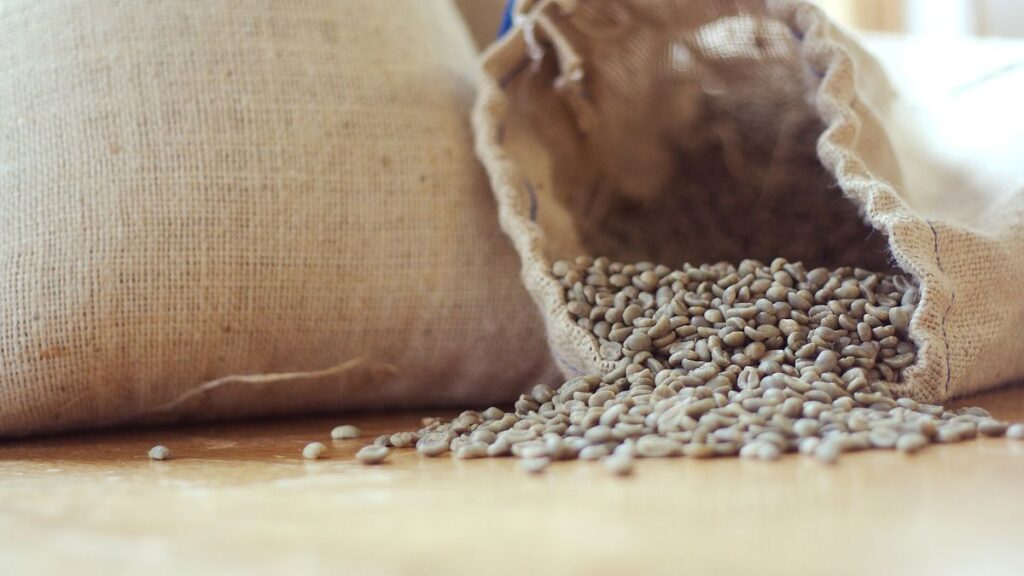
Photo: Green Bean Coffee, by DeaPeaJay, license CC BY-SA 2.0, via Wikimedia Commons. Cropped.