

Did you know the perfect cup of coffee depends on the grind size? A study showed the wrong grind size can make your coffee too weak or too bitter. As a coffee lover, knowing the right grind size can make your brewing better.
I’ll show you why picking the right grind size is key for your favorite brewing method. Whether you’re a coffee expert or new to coffee, this guide will help you improve your brew.
Key Takeaways
- Understanding the impact of grind size on your brew
- Learning how to choose the right grind size for your brewing method
- Discovering tips to adjust your grind size for optimal flavor
- Exploring the relationship between grind size and brewing time
- Enhancing your coffee experience with the perfect grind size
Understanding Coffee Grind Size
The size of your coffee grind is key to a great cup of coffee. It greatly affects the taste and smell of your coffee.
What Is Coffee Grind Size?
Coffee grind size is how big the coffee particles are after grinding. Different brewing methods need different grind sizes. For example, French press likes a coarse grind, while espresso needs a fine one.
Why Grind Size Matters
The size of your coffee grind affects how much flavor comes out during brewing. Too fine, and your coffee might taste bitter. Too coarse, and it could taste weak or sour.
Finding the best grind size for coffee is important for a balanced taste. A grind size chart can help you pick the right size for your brewing method.
By adjusting the grind size, you can optimize your brewing technique. This makes your coffee experience better. Whether you’re using a drip coffee maker, pour-over, or another method, the right grind size is essential.
Types of Coffee Grinds
The type of coffee grind you use can greatly affect your coffee’s taste. With many brewing methods out there, knowing the different grinds is key to a perfect cup.
Coarse Grinds
Coarse grinds are big and great for methods that steep for a long time, like French press or percolators. They help get a richer flavor from your coffee.
Medium Grinds
Medium grinds have a balanced size, good for many brewing methods, including drip and pour-over. They’re versatile and perfect for those who like a balanced coffee.
Fine Grinds
Fine grinds are small and ideal for espresso machines and Aeropress. They allow for quick extraction, making your coffee strong and intense.
To show the different grind sizes and their best brewing methods, here’s a table:
| Grind Size | Brewing Method | Characteristics |
|---|---|---|
| Coarse | French Press, Percolator | Rich, bold flavor |
| Medium | Drip Brewing, Pour-over | Balanced flavor |
| Fine | Espresso, Aeropress | Strong, intense flavor |
When learning how to grind coffee, a good quality grinder is a must. Blade grinders are cheap but can heat up, harming the beans. Burr grinders, though more expensive, give better control over grind size and are loved by coffee lovers.
Trying out different coffee brewing techniques and grind sizes can help you find your ideal coffee. Whether you love strong espresso or smooth pour-over, knowing about coffee grinds is the first step to better coffee.
Choosing the Right Grind Size
To brew the perfect cup, picking the right grind size is essential. The grind size of your coffee beans greatly affects the flavor and quality of your coffee. Each brewing method needs a specific grind size to get the best extraction and taste.
Brew Methods and Their Grind Preferences
Each brewing method has its own grind size needs. For example, French press needs a coarse grind, while espresso needs a fine one. Here’s a look at common brewing methods and their preferred grind sizes:
| Brewing Method | Preferred Grind Size |
|---|---|
| French Press | Coarse |
| Espresso | Fine |
| Drip Coffee | Medium |
The table shows that grind size varies a lot between brewing methods. Knowing these preferences is key to making the perfect cup.
Personal Taste Preferences
While brewing method matters, your personal taste also plays a big role in choosing the right grind size. Some like their coffee strong and concentrated, while others prefer it milder.
Changing the grind size can help you get the flavor you want. If your coffee is too weak, a finer grind can make it stronger. If it’s too strong, a coarser grind can balance it out.
Try different grind sizes and brewing methods to find what you like best. Keeping a coffee journal to track your experiments and notes can be helpful.
The Impact of Grind Size on Flavor
Getting the perfect flavor in your coffee starts with knowing how grind size affects brewing. The size of your coffee beans’ grind is key to your brew’s taste.
How Grind Size Affects Extraction
The grind size controls how fast coffee is extracted during brewing. Too fine a grind can make the coffee taste bitter. Too coarse, and it might taste weak or sour. For example, a fine grind coffee is best for espresso, as it extracts well under high pressure.
Here’s a table showing how grind size impacts extraction:
| Grind Size | Brew Method | Extraction Level |
|---|---|---|
| Fine | Espresso | High |
| Medium | Drip Brewing | Medium |
| Coarse | French Press | Low |
Balancing Strength and Flavor
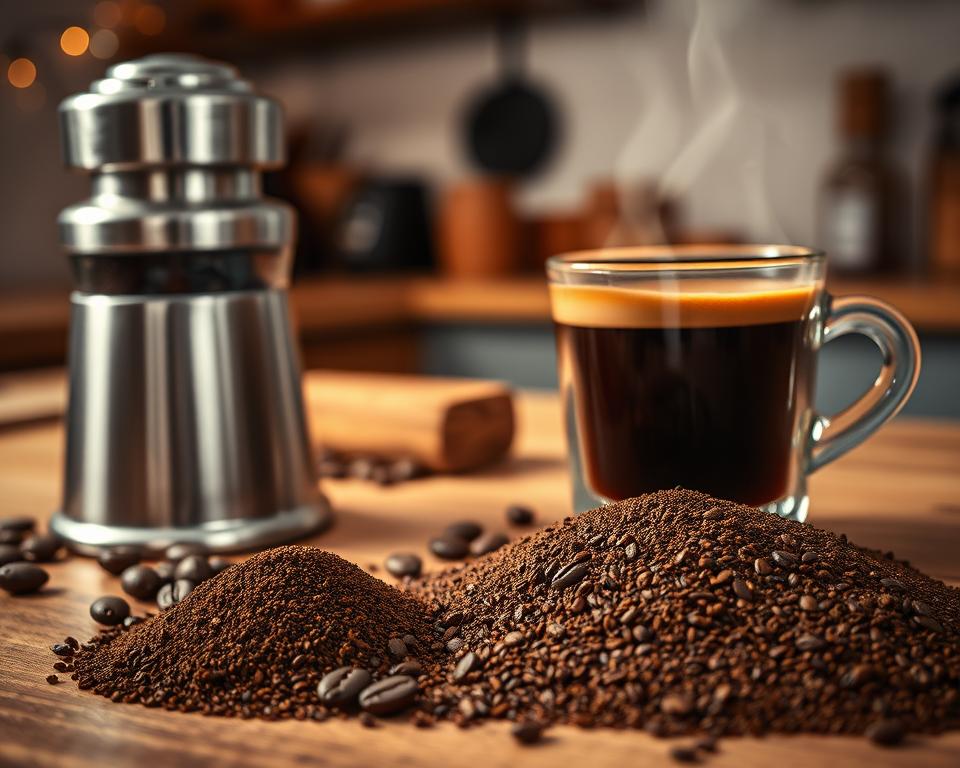
Finding the right balance between strength and flavor in coffee is an art. A fine grind makes for a stronger, more intense coffee. A coarser grind gives a smoother, less intense taste. If you like your coffee strong, try an espresso grind size.
“The secret to a great cup of coffee is in the grind. A consistent grind size ensures optimal extraction and flavor.”
For more on coffee grind sizes and brew methods, check out this coffee grind size chart.
Grind Size Consistency
Getting the grind size right is key for great-tasting coffee. A consistent grind size means even extraction. This is what brings out the best in your coffee.
Importance of Consistency
A consistent grind size ensures even extraction of coffee. This is true for coarse grind coffee in French press or finer grinds for espresso. If the grind size varies, it can mess up the taste.
Here’s a table showing how consistent vs. inconsistent grind sizes affect brewing:
| Brewing Method | Consistent Grind Size | Inconsistent Grind Size |
|---|---|---|
| French Press | Rich, full-bodied flavor | Over-extracted, bitter taste |
| Espresso | Creamy, well-balanced shot | Under-extracted, sour taste |
Tools for Achieving a Consistent Grind
To get a consistent grind, the right tools are a must. Burr grinders are better than blade grinders because they give a consistent grind. Adjusting the grind size for your brewing method is also important.
For a coffee grind size guide, knowing the grind sizes for different brews is essential. Whether you’re new to coffee or a pro, the right grinder and knowledge can make a big difference in taste.
Home Grinding vs. Pre-Ground Coffee
Grinding your own coffee beans at home can change your coffee game. But is it always the best choice? It depends on your brewing method, taste, and lifestyle.
Pros and Cons of Grinding at Home
Grinding your coffee at home has many benefits. First, it ensures maximum freshness. Coffee beans lose flavor and aroma quickly after grinding. So, grinding just before brewing is key for the best taste. Plus, you control the grind size, which is vital for different brewing methods.
- Pros:
- Freshness: Grinding just before brewing preserves the coffee’s flavor and aroma.
- Customization: You can adjust the grind size to suit your brewing method.
- Cost-effective: Buying whole beans can be more economical in the long run.
- Cons:
- Investment: You’ll need to purchase a coffee grinder, which can be an initial expense.
- Time-consuming: Grinding before each brew can be time-consuming.
As coffee aficionado James Hoffmann once said, “The best coffee is made from freshly ground beans, and the difference is not subtle.” This quote shows how important freshness is for a great cup of coffee.
“The best coffee is made from freshly ground beans, and the difference is not subtle.” – James Hoffmann
When to Choose Pre-Ground Coffee
While grinding at home is great for many, pre-ground coffee is better in some cases. If you’re short on time or don’t have a grinder, pre-ground coffee is convenient. Also, some specialty coffees are only available pre-ground.
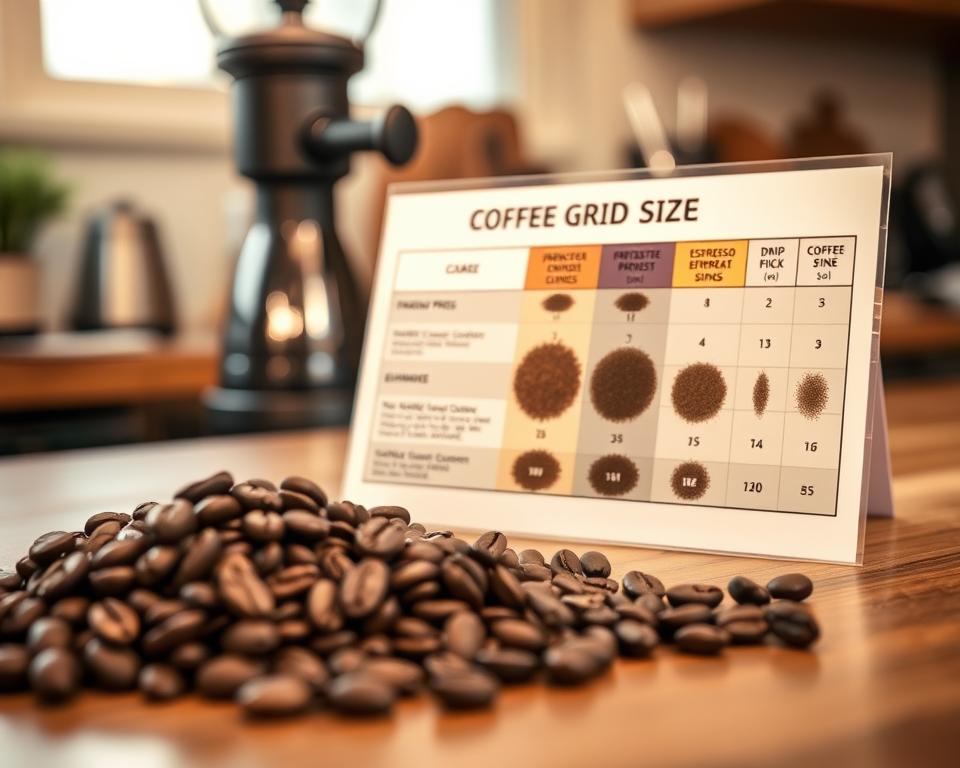
To get the most from pre-ground coffee, choose a reputable brand. Look for a grind size chart to find the right grind size for your brewing method. Knowing the best grind size for coffee can greatly improve your brew’s flavor.
- Convenience: Pre-ground coffee saves time and effort.
- Accessibility: Some specialty coffees are only available pre-ground.
- Consistency: Pre-ground coffee can offer consistent flavor if you find a reliable brand.
In conclusion, both home grinding and pre-ground coffee have their pros and cons. Understanding your needs and preferences helps you choose what’s best for you and your brewing habits.
Experimenting with Grind Sizes
To brew the perfect cup of coffee, it’s key to understand and try out different grind sizes. Each brewing method needs a specific grind size to get the best flavor.
Trying Different Grinds for Different Brews
Every brewing technique has its own perfect grind size. For example, French press needs a coarse grind, while espresso needs a fine one. Let’s look at some popular brewing methods and their ideal grind sizes.
| Brewing Method | Grind Size |
|---|---|
| French Press | Coarse |
| Espresso | Fine |
| Drip Coffee | Medium |
Changing the grind size based on the brewing method can greatly improve your coffee’s taste. I suggest keeping a grind size chart nearby to help you remember the right grind for each method.
Adjusting Grind Size for Your Taste
Your personal taste affects the ideal grind size. If your coffee is too weak or too strong, tweaking the grind size can help get it just right.
- If your coffee is too weak, try a finer grind.
- If your coffee is too strong or bitter, try a coarser grind.
Playing with grind sizes lets you customize your coffee to your liking. It’s a simple yet powerful way to make your coffee brewing better.
In conclusion, trying out different grind sizes is easy and can really boost your coffee brewing skills. By learning how to grind coffee beans right and using various brewing techniques, you can make a perfect cup every time.
Storage and Freshness
Choosing the right storage method is key to keeping your coffee fresh. As someone who loves coffee, I’ve found that how you store it is just as important as the grind size.
Impact of Grind Size on Freshness
The size of your coffee grind can greatly impact how fast it loses its flavor. Fine grinds have more surface area, which means they lose flavor and aroma faster. In contrast, coarse grinds have less surface area, helping them stay fresh longer.
To better understand, here’s a comparison of how different grind sizes affect freshness:
| Grind Size | Surface Area Exposure | Freshness Duration |
|---|---|---|
| Fine | High | Shorter |
| Medium | Moderate | Moderate |
| Coarse | Low | Longer |
Best Practices for Storing Ground Coffee
Regardless of grind size, following best practices for storing ground coffee can help keep it fresh. Here are some tips:
- Store coffee in an airtight container to minimize exposure to air.
- Keep coffee away from direct sunlight and heat sources.
- Use cool, dark places for storage, such as a pantry or cupboard.
- Avoid storing coffee near strong-smelling foods, as coffee can absorb odors easily.
By understanding how grind size affects freshness and following these storage best practices, you can enjoy your coffee at its best flavor for longer.
Common Grind Size Mistakes
Even small mistakes in grind size can greatly affect your coffee’s taste. Whether you’re a coffee expert or new to it, knowing these mistakes can improve your home brewing.
Over-Grinding vs. Under-Grinding
Two common mistakes are over-grinding and under-grinding. Over-grinding makes the grind too fine, causing a bitter taste. Under-grinding makes it too coarse, leading to a weak or sour taste.
For example, French press needs a coarse grind. Too fine a grind can make your coffee muddy. On the other hand, espresso requires a very fine grind. If it’s too coarse, your espresso will lack crema and taste weak.
Avoiding Grind Size Confusion
To avoid confusion, know the grind size needed for your brewing method. Our article on coffee grind size explained has detailed guides.
Try different grind sizes and brewing methods to find what you like best. Great coffee is about the right grind size, not just the beans or method.
Tips for Grinding Coffee Beans
Mastering the grind is key for coffee lovers. Whether you like fine grind coffee for espresso or coarse grind coffee for French press, the right grind matters a lot.
Choosing the Right Grinder
The first step is picking the right grinder. You have blade grinders and burr grinders. Blade grinders are cheaper but can heat up the beans. Burr grinders, on the other hand, give you control over the grind size and are loved by coffee lovers.
Think about your brewing method and what you like when picking a grinder. Burr grinders are best for those who want consistency and precision. Blade grinders are good for casual coffee drinkers and are cheaper.
Grinding Techniques I Prefer
I’ve found a few grinding techniques that really boost my coffee’s quality. Always grind your beans just before brewing to keep the flavor and aroma fresh. For fine grind coffee, I use the burr grinder’s finest setting, which is great for espresso or Turkish coffee.
For coarse grind coffee, I set the grinder to a coarser setting, perfect for French press or cold brew. It’s important to try different grind sizes to find what you like best.
Also, clean your grinder often to avoid old coffee oils affecting your coffee’s taste. A simple brush or cloth can clean out any leftover grounds, keeping your grinder in top shape.
In summary, grinding your own coffee beans lets you customize and enjoy freshness that pre-ground coffee can’t match. By picking the right grinder and mastering your grind, you can make every cup of coffee perfect.
Conclusion: Finding Your Perfect Grind
Reflecting on my coffee journey, I see that the right grind size was key. The ultimate coffee grind size guide helped me try different sizes and brewing methods. This led me to my perfect cup.
Discovering the Ideal Grind
My quest for the perfect grind involved trying many brewing techniques and adjusting the grind size. I found that the right size can make my coffee taste and smell amazing. Every cup became a joy.
Experimenting with Confidence
I suggest starting your coffee journey with this guide. Try different grind sizes and brewing methods to find your favorite. With time and effort, you’ll enjoy your perfect cup of coffee, just the way you like it.