


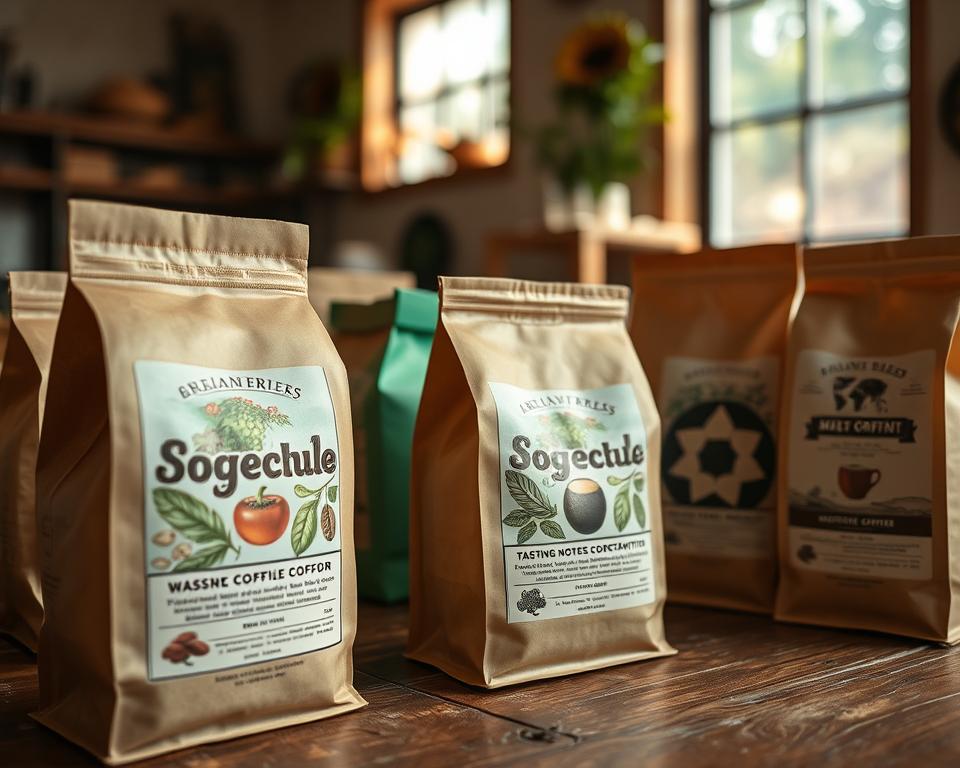
As a coffee lover, I’ve often felt confused by the various labels on coffee packaging. With over 100 billion cups of coffee drunk worldwide every year, it’s surprising we know so little about what’s in our cups. The truth is, coffee labeling can be complex, but with the right knowledge, you can navigate the world of coffee with confidence.
By learning how to decode coffee labels, you can make informed purchases and enjoy your favorite brew to the fullest. For instance, did you know that coffee labels often contain information about the coffee’s origin, processing method, and roast level? You can visit Crema Coffee’s guide to learn more about decoding coffee labels.
Key Takeaways
- Learn to decode coffee labels to make informed purchases.
- Understand the importance of coffee origin, processing method, and roast level.
- Discover how to identify high-quality coffee beans.
- Explore the different types of coffee labeling and their meanings.
- Enhance your coffee experience by knowing what’s in your cup.
The Importance of Coffee Labels in Your Choice
Coffee labels are more than just pretty designs. They hold important info that can make your coffee experience better. The label tells you what you’re getting, helping you make a smart choice.
Why Labels Matter
Labels are important because they share key details about the coffee. This info is vital for a few reasons:
- They help you understand the coffee’s flavor and quality.
- They tell you about the coffee’s origin, which matters for those who care about sustainability and fair trade.
- They give insights into how the coffee was made, which can impact its taste and quality.
By knowing what’s on the label, you can choose coffee that fits your values and taste.
The Role of Transparency
Transparency is essential in the coffee world. Labels are a big part of this, sharing detailed info about the coffee. This includes info on the beans, roast level, and how it was made.
Key aspects of transparency in coffee labeling include:
- Origin: Knowing where your coffee comes from helps you understand its quality and taste.
- Roast Level: Knowing the roast level helps you guess the flavor.
- Production Process: Details about how it was made tell you about the care and skill put into your coffee.
Types of Coffee Labels You’ll Encounter
Knowing about coffee labels helps me make better choices when buying coffee. The market offers many labels that show different things about coffee. These include quality, certifications, and how it’s made.
Coffee labels are more than just rules. They help me find coffee that fits my taste and values. Let’s look at the most common types of coffee labels.
Organic
The “Organic” label means the coffee beans are grown without harmful chemicals. This appeals to those who care about the environment and their health.
Organic coffee is grown in clean soil. This method helps the environment and keeps biodiversity strong.
“Organic farming practices not only benefit the environment but also result in a more natural product,” says a coffee industry expert.
Fair Trade
Fair Trade certification ensures farmers get a fair price for their coffee. This supports fair trade and helps farmers and their communities.
This certification also means the coffee is made under good working conditions. It supports community development and protects the environment.
| Certification | Key Benefits |
|---|---|
| Organic | Environmentally friendly, no synthetic chemicals |
| Fair Trade | Fair prices for farmers, improved working conditions |
| Single Origin | Tracability to a single region or farm, distinct flavor profiles |
| Specialty Grade | High-quality beans, rigorous grading process |
Single Origin
Single Origin coffee comes from one place, like a farm or region. This label shows off the coffee’s unique taste and qualities.
For coffee lovers, Single Origin coffee is special. It lets them enjoy the unique tastes of different places.

Specialty Grade
Specialty Grade coffee is top-notch, scoring 80 or higher. This label means the coffee tastes great and smells wonderful.
Specialty Grade coffee is loved for its unique flavors. It’s a favorite among coffee fans.
In summary, knowing about coffee labels is key to choosing well in the coffee market. Labels like Organic, Fair Trade, Single Origin, and Specialty Grade help me find coffee that matches my taste and values.
Deciphering Roast Levels
Learning about roast levels is key for coffee lovers. Roast levels change how coffee tastes and smells. It’s important to know the differences.
On coffee labels, you’ll see Light Roast, Medium Roast, and Dark Roast. These terms show how long the beans were roasted. This affects their taste, acidity, and feel.
Light Roast
Light Roast coffee is roasted briefly. This keeps its natural taste and acidity. It’s light in body and has a bright, nuanced taste.
- Retains more of the coffee’s natural flavors
- Higher acidity
- Lighter body
Medium Roast
Medium Roast is a middle ground. It has balanced acidity and body. It’s a favorite among coffee lovers. It’s roasted enough to be rich but not too long to lose its natural taste.
Key characteristics include:
- Balanced acidity and body
- Smooth, nuanced flavor
- Versatile for various brewing methods
Dark Roast
Dark Roast coffee is roasted longer. This makes it bolder and richer. It has a heavier body and deeper, more bitter notes. It’s perfect for those who like a strong coffee.
Notable features:
- Bolder, richer flavor
- Lower acidity
- Heavier body
Knowing about roast levels helps you pick the right coffee. Whether you like Light Roast’s bright taste or Dark Roast’s bold flavors, understanding roast levels makes your coffee better.
Understanding Caffeine Content
Caffeine content is key for coffee lovers. Knowing about it can make your coffee better. When you read coffee labels, look for caffeine content to choose wisely.
Two main things affect caffeine in coffee: the bean type and roasting.
How Roasting Affects Caffeine
The roasting process changes caffeine levels, but not a lot. Lighter roasts usually have more caffeine because some is lost during roasting. But, the energy boost also depends on the roast’s taste and acidity.
Here’s a quick look at caffeine in different roasts:
| Roast Level | Caffeine Content |
|---|---|
| Light Roast | Higher |
| Medium Roast | Moderate |
| Dark Roast | Lower |
Arabica vs. Robusta
The bean type also matters for caffeine levels. Arabica beans have less caffeine than Robusta beans. Arabica is loved for its rich flavors, while Robusta is used in instant coffee for its bold taste.
Knowing Arabica and Robusta differences helps pick the right coffee for you.
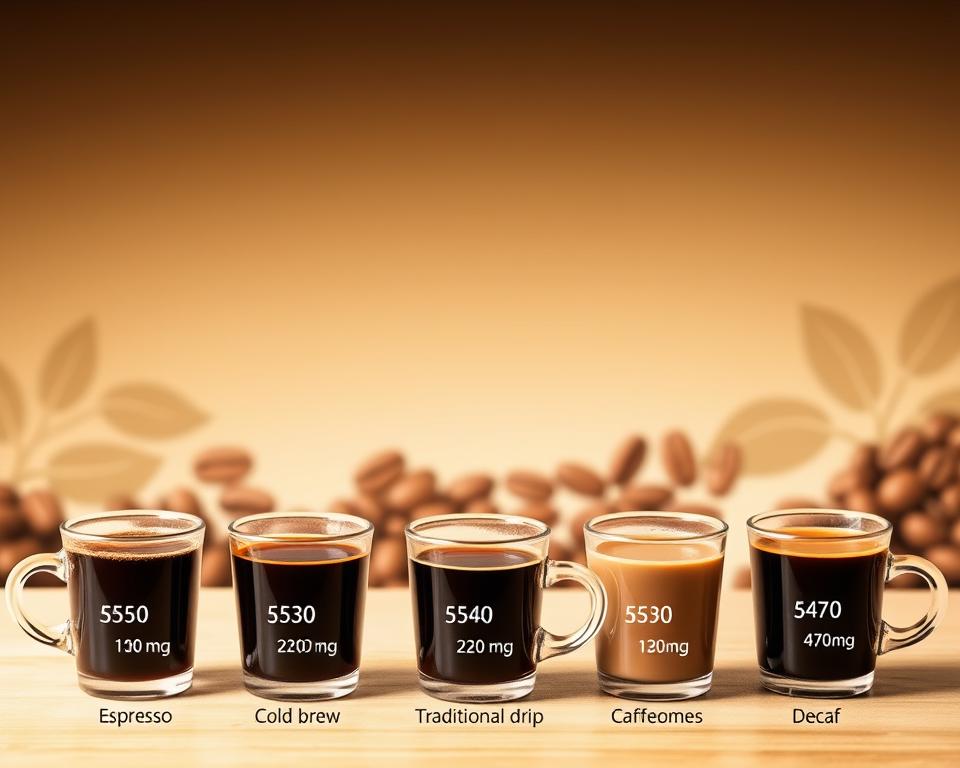
Understanding roasting and bean types helps you choose better coffee. Always check labels for bean type and roast to match your caffeine needs.
Recognizing Flavor Notes
Exploring coffee labels can reveal the complex flavors you’re brewing. Understanding flavor notes is a fascinating journey. These notes are key to enjoying coffee fully.
The Flavor Wheel Explained
The flavor wheel helps describe coffee’s diverse flavors. It’s a circular diagram that groups flavors. This makes it easier to identify and describe what you taste.
For example, if you taste something fruity, the wheel can narrow it down. It’s great for both coffee pros and enthusiasts. It gives a common language for complex coffee flavors.
Common Flavor Profiles
Coffee flavors vary based on the bean’s origin, processing, and roast. Here are some common ones:
- Fruity: Flavors from berries to citrus fruits.
- Floral: Notes like jasmine or rose.
- Nutty: Reminiscent of almonds or hazelnuts.
- Chocolatey: Rich, cocoa-like flavors.
Exploring different coffees helps you notice these profiles. Coffee expert James Hoffmann says, “Identifying flavor notes is about taste, smell, and experience.”
“The best way to understand coffee flavor is to taste it, smell it, and experience it fully.”
| Flavor Profile | Description | Common Origins |
|---|---|---|
| Fruity | Flavors of berries, citrus, or stone fruits | Ethiopia, Kenya |
| Floral | Notes of jasmine, rose, or other flowers | Colombia, Ethiopia |
| Nutty | Flavors reminiscent of almonds or hazelnuts | Brazil, Sumatra |
Understanding flavor notes helps you decipher coffee labels better. It makes choosing coffee easier. Whether you’re a coffee expert or new to it, enjoying coffee’s nuances can make your experience better.
The Significance of Freshness Dates
To enjoy coffee’s rich flavors, check the freshness dates on the label. These dates are key to coffee quality. Knowing the difference between them helps you choose better.
On coffee packaging, you’ll see “Roast Date” and “Best By Date.” They’re different, but both important for great coffee.
Roast Date vs. Best By Date
The “Roast Date” shows when the coffee beans were roasted. The “Best By Date” tells when the coffee is at its best flavor. Knowing this helps coffee lovers get the freshest taste.
Coffee stays fresh for a while after roasting. Here’s a quick guide to coffee freshness:
| Roast Level | Freshness Duration |
|---|---|
| Light Roast | 7-10 days |
| Medium Roast | 10-14 days |
| Dark Roast | 14-21 days |
How Freshness Affects Flavor
Freshness greatly affects coffee taste. Coffee that’s fresh tastes vibrant and complex. But, as it ages, it loses these flavors and can taste stale.
“The freshness of the coffee is directly related to its flavor profile. Freshly roasted coffee offers a more dynamic and engaging taste experience.”
To get the best flavor, buy coffee beans that are recently roasted. Store them well to keep them fresh.
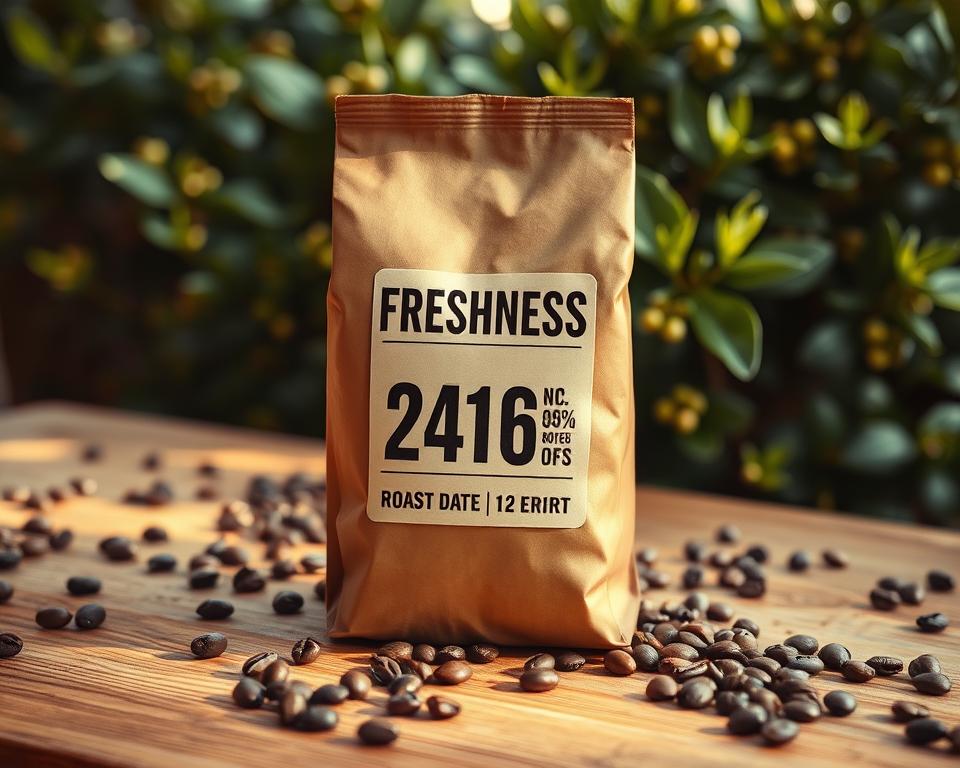
By focusing on freshness dates, you can improve your coffee experience. Always look at the roast and best by dates to get the freshest coffee.
Exploring Brewing Methods
Understanding brewing methods is key to unlocking the full flavor of your coffee. The brewing method greatly affects the taste and aroma of your coffee. It’s important to choose a method that suits your taste preferences.
The Benefits of Whole Bean vs. Ground Coffee
Choosing between whole beans and ground coffee is your first decision. Whole beans are more flexible and keep their flavor longer because they’re less exposed to air. Ground coffee, on the other hand, is quicker to use but loses flavor faster due to more air exposure.
For the best taste, consider using a grinder to grind your beans just before brewing. This simple step can greatly improve your coffee’s flavor and aroma.
Brewing Equipment Recommendations
Choosing the right brewing equipment can be tough with so many options. Here are some popular methods:
- French Press: Great for a rich, bold flavor.
- Drip Brewing: Easy to use, perfect for daily coffee.
- Pour-Over: Offers a clean, nuanced flavor, ideal for coffee lovers.
- Cold Brew: Smooth and low in acidity, perfect for hot days.
For more tips on brewing, check out our guide on decoding coffee brewing ratios.
The Role of Certification Programs
Understanding certification programs is key when buying coffee. These programs affect both quality and sustainability. Certifications like Fair Trade, Organic, and Rainforest Alliance show a commitment to standards. They impact the environment, farmers, and coffee quality.
Common Certifications Explained
When reading coffee labels, you’ll see various certifications. Fair Trade ensures farmers get a fair price, promoting fair trade. Organic means the coffee is grown without harmful chemicals, helping the environment. Rainforest Alliance focuses on sustainable farming and protecting biodiversity.
Each certification has its own rules. Knowing these helps you interpret coffee packaging better. For example, Fair Trade involves farmers making decisions together, ensuring they get a fair share of the premium prices.
What They Mean for Sustainability
Certification programs are vital for sustainability in coffee. Choosing coffee with certifications like Organic or Rainforest Alliance supports the environment. These certifications encourage farmers to use water wisely, reduce deforestation, and protect wildlife.
These programs also care about social sustainability. They ensure farmers and workers get fair wages and work safely. This improves their lives and the well-being of their communities.
As a consumer, knowing about these certifications empowers you. You can support fair labor and environmentally friendly farming. Your coffee choices can make a big difference.
Understanding Coffee Grinds
For coffee lovers, knowing about grind sizes is key to a better brew. The size of your coffee beans affects the taste and smell of your coffee. We’ll explore coffee grinds and how to pick the right one for your brewing method.
Coarse, Medium, and Fine Grinds
Coffee grinds vary in size, each fitting different brewing ways. The main sizes are coarse, medium, and fine.
- Coarse Grind: Great for French press, percolator, and cold brew. It’s big, so it extracts slowly, making the flavor richer.
- Medium Grind: Good for drip brewing, pour-over, and Chemex. It extracts well, giving a smooth and tasty cup.
- Fine Grind: Ideal for espresso, Aeropress, and Turkish coffee. It’s small, so it extracts fast, making the flavor strong.
Picking the right grind size is key for the perfect coffee taste. Coffee labeling regulations help guide you. Knowing these labels helps you choose your coffee wisely.
Choosing the Right Grind for Your Brew
To find the perfect grind, think about your brewing method and taste. Here are some tips:
- Try different grind sizes to find the best for your brewing method.
- Change your grind size to get the flavor you want – sweeter, brighter, or balanced.
- Get a good burr grinder for consistent grind sizes and the best flavor.
Understanding coffee labels and grind sizes can make your coffee experience better. Enjoy the perfect cup every time.
Common Misconceptions About Coffee Labels
Many coffee lovers don’t know what’s on their labels. With so many labels and certifications, it’s easy to get lost. We’ll clear up some common myths and tell you what’s real.
Debunking Myths
One myth is that all organic coffee is fair trade. But they’re not the same. Organic means how it’s grown, while fair trade is about fairness in trade. Knowing this helps you understand coffee labels better.
Another myth is that darker roasts have more caffeine. But caffeine levels depend more on the bean and brewing method than roast level. This is important to know when picking your coffee.
The Truth Behind Decaf
Many think decaf coffee has no caffeine. But, decaf coffee can have a bit of caffeine left. The decaffeination process removes most, but not all, caffeine. So, if you’re very sensitive to caffeine, check the coffee packaging information for details.
Some believe decaf coffee is lower quality. But, it’s not true. High-quality Arabica beans can make great decaf coffee. Quality depends more on the bean and roasting than if it’s decaf.
Understanding coffee labels helps you make better choices. It’s not just about reading labels; it’s about valuing the effort that goes into your coffee.
Making Informed Coffee Choices
Now you know about coffee labels, you can pick your coffee wisely. Knowing the coffee label guide helps you navigate coffee’s world.
It’s also key to learn coffee industry terminology. This lets you enjoy the differences in coffee blends and roasts.
Practical Tips for Label Literacy
When you look at coffee labels, check the roast date. It shows how fresh the coffee is. Also, look for Fair Trade and Organic certifications. They tell you about the coffee’s making process.
Continuing Your Coffee Education
To learn more about coffee, check out online resources. Go to coffee tastings and try different ways to brew coffee. This way, you’ll know more about coffee and value the effort that goes into making it.