


I remember my first taste of espresso like it was yesterday. It was a game-changer. The flavor, texture, and energy all came together in a way that amazed me. As someone who loves coffee, I’m thrilled to share my journey with you.
Making espresso at home can seem hard, but the right machine makes it easy. I’m excited to share my favorite beginner-friendly machines. They’re perfect for anyone new to coffee or looking to spice up their morning.
Key Takeaways
- Discover the benefits of crafting espresso at home
- Learn what to look for in an entry-level espresso machine
- Explore my top picks for beginner-friendly machines
- Get tips on how to get started with espresso making
- Understand the importance of quality and flavor in espresso
Why Choose an Entry Level Espresso Machine?
Entry-level espresso machines are an affordable way to start making espresso at home. They let you enjoy high-quality espresso without the high cost of professional machines.
The Benefits of Crafting Espresso at Home
Making espresso at home with an entry-level machine has many perks. You can try out different roasts and brewing methods to find your favorite. Plus, you save time and money by not going to coffee shops as often.
As mentioned in a guide to your entry-level espresso machine, a good machine can really improve your coffee experience.
Also, making espresso at home can be a fun hobby. It lets you get creative with your coffee, trying new recipes and flavors. The joy of making the perfect shot is very rewarding.
Cost-Effectiveness of Entry Level Machines
Entry-level espresso machines are very affordable. They offer great value for the price. This means you can enjoy high-quality espresso without spending a lot.
To show the cost savings, let’s compare:
| Expense | Coffee Shop | Home Brewing |
|---|---|---|
| Initial Investment | $0 | $100-$300 (Machine Cost) |
| Cost per Shot | $3-$5 | $0.25-$0.50 (Coffee Beans) |
As you can see, making espresso at home saves a lot of money over time. And with an entry-level machine, you don’t have to sacrifice quality.
Choosing an entry-level espresso machine is a smart choice. It’s affordable and helps you improve your barista skills. Whether you’re new to coffee or already love it, these machines are a great starting point.
What to Look for in an Entry Level Espresso Machine
Starting your espresso journey means knowing what to look for in an entry-level machine. As a beginner, focus on factors that will improve your coffee-making experience.

Key Features That Matter
Choosing an entry-level espresso machine involves looking at key features. Ease of use is key; a simple interface helps you make great espresso. Also, think about the machine’s size and how it fits in your kitchen.
A built-in grinder is another important feature. Grinding beans fresh for each shot can make your espresso taste better. Machines with built-in grinders cost more but offer convenience and consistent flavor.
- Automatic temperature control for optimal brewing conditions
- A steam wand for frothing milk, if you enjoy lattes and cappuccinos
- A removable water reservoir for easy cleaning and maintenance
Common Pitfalls to Avoid
When looking at entry-level espresso machines, watch out for common pitfalls. Poor build quality can mean a short-lived machine. Also, lack of customer support can leave you stuck if problems come up.
Steer clear of machines with too many complex features that might confuse you. Reading entry level espresso machine reviews and comparing models can help you find the right one for you.
By knowing the key features and avoiding common pitfalls, you can make a smart choice for your first espresso machine. Whether comparing models or reading reviews, aim to find a machine that matches your coffee dreams and lifestyle.
My Top Picks for Entry Level Espresso Machines
I’ve tested many entry-level espresso machines and I’m excited to share my favorites. These machines are great for beginners because they’re easy to use and offer good value.
1. Breville Bambino Plus
The Breville Bambino Plus is a top choice for beginners. It’s small and has automatic temperature control. Its rapid heating system means you can make espresso fast.
- Key Features: Automatic temperature control, compact design, rapid heating system
- Pros: Easy to use, high-quality espresso, compact
- Cons: Limited customization options, relatively expensive
2. De’Longhi EC155
The De’Longhi EC155 is great for espresso newbies. It has a manual frothing system and a stainless steel body. This gives it a durable and sleek look.
- Key Features: Manual frothing system, stainless steel body, compact design
- Pros: Affordable, easy to clean, good frothing capabilities
- Cons: Manual frothing requires practice, not as compact as some other models
3. Gaggia Classic Pro
The Gaggia Classic Pro is a favorite among beginners. It has a commercial-grade stainless steel body and a 15-bar pump. This ensures rich and creamy espresso.
- Key Features: Commercial-grade stainless steel body, 15-bar pump, manual frothing
- Pros: Durable, high-quality espresso, good value for money
- Cons: Manual frothing can be tricky for beginners, relatively large
Each machine has its own strengths and weaknesses. Think about what you need, like ease of use and your budget, when choosing.
These top picks will help you make great espresso at home. Whether you’re new to espresso or upgrading, these machines will meet your needs.
How to Properly Use an Entry Level Espresso Machine
Learning to make perfect espresso starts with understanding your machine. With practice, you’ll make shots as good as those from your favorite coffee shop.
Step-by-Step Brewing Guide
To make the perfect espresso, follow these steps:
- Prepare your machine: Make sure your machine is clean and ready. Turn it on and wait for it to heat up.
- Measure and grind your coffee: Use a scale to measure 18-20 grams of coffee for a double shot. Grind the beans to a fine but not powdery consistency.
- Tamp the grounds: Use a tamper to press the coffee grounds in the portafilter. This helps with even extraction.
- Load the portafilter: Attach the portafilter to the machine’s group head. Make sure it’s locked in place.
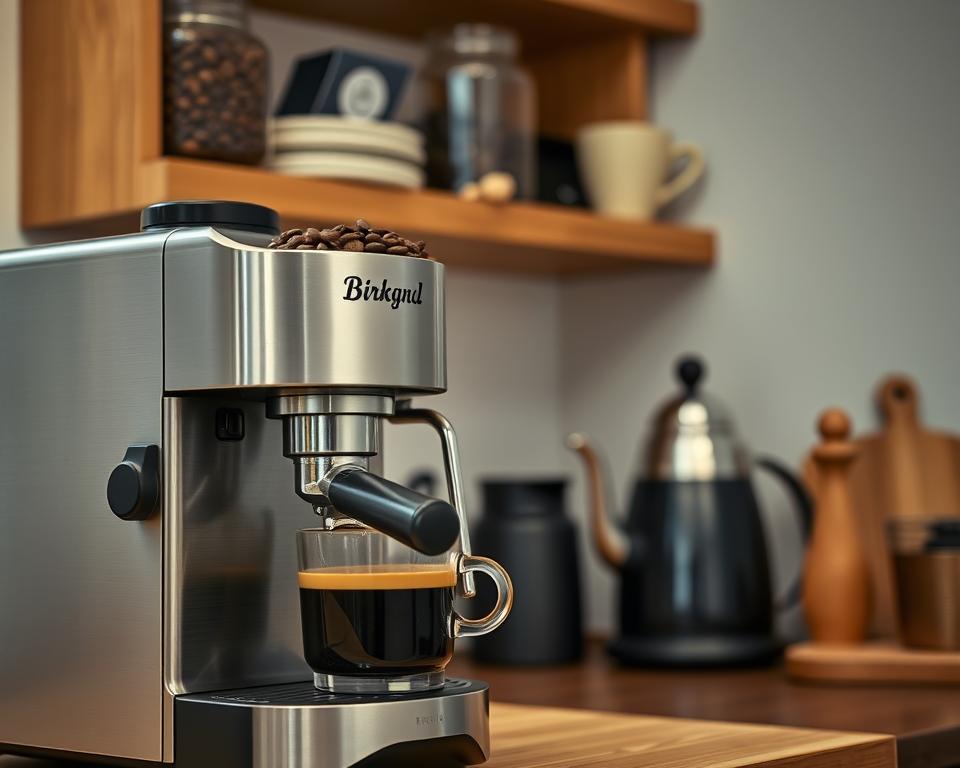
- Pull the shot: Place a demitasse cup under the spout. Start brewing. The shot should pour in 20-30 seconds.
Tips for Perfecting Your Espresso
Improving your espresso takes time. Here are some tips to help:
- Experiment with grind sizes: The grind size affects the taste. Find the perfect balance.
- Monitor your machine’s temperature: The best brewing temperature is between 195°F and 205°F.
- Adjust the tamping pressure: Consistent tamping pressure ensures even extraction. Practice makes perfect.
| Adjustment | Effect on Espresso |
|---|---|
| Grind Size | Affects flow rate and flavor extraction |
| Tamping Pressure | Influences evenness of extraction |
| Machine Temperature | Impacts the optimal brewing temperature |
By following these tips and practicing, you’ll soon make amazing espresso with your entry-level machine.
Maintenance Tips to Keep Your Machine in Shape
Keeping your entry-level espresso machine in top shape is key. As a beginner, it might seem hard to understand why maintenance is important. But, it’s a must for enjoying your espresso.
Regular Cleaning Practices
Cleaning your espresso machine often is essential. It stops old coffee oils and residue from building up. Always clean the portafilter and basket after each use. For deeper cleaning, check out espresso machine cleaning guides.
Here’s how to clean regularly:
- Daily: Use a damp cloth to wipe down the machine.
- Weekly: Clean the portafilter, basket, and steam wand.
- Monthly: Backflush the machine to clear out buildup.
When to Descale Your Machine
Descaling removes mineral deposits from your machine. How often you need to descale depends on your water quality and how much you use it. Generally, descale every 3-6 months.
| Water Hardness | Descaling Frequency |
|---|---|
| Soft | Every 6 months |
| Medium | Every 3 months |
| Hard | Every 2 months |
By sticking to these maintenance tips, your entry-level espresso machine will stay in top shape. This means you’ll get to enjoy delicious espresso shots for a long time.
Understanding Espresso Terminology
Unlocking the secrets of espresso starts with understanding the specialized vocabulary that coffee aficionados use daily. As you explore the world of espresso, you’ll encounter various terms that might seem unfamiliar at first. But, they are essential for mastering the craft.
Common Terms Explained
Let’s break down some common espresso terminology to help you navigate the coffee world with confidence. Terms like crema, tamping, and extraction time are frequently used in the context of espresso preparation.
- Crema: The creamy texture on top of a well-made espresso, formed by the emulsion of coffee oils, water, and suspended particles.
- Tamping: The process of compressing the coffee grounds in the portafilter to ensure even extraction.
- Extraction Time: The time it takes for the espresso machine to produce a shot of espresso, typically between 20-30 seconds.
Understanding these terms will not only enhance your knowledge but also improve your ability to experiment with different roasts and brewing techniques.
The Importance of Grind Size
One critical aspect of making great espresso is achieving the right grind size. The grind size affects the flow rate of the water through the coffee grounds. This, in turn, impacts the flavor and quality of your espresso.
| Grind Size | Effect on Espresso |
|---|---|
| Too Fine | Can cause over-extraction, leading to a bitter taste. |
| Too Coarse | Can result in under-extraction, making the espresso taste sour. |
| Just Right | Allows for optimal extraction, yielding a balanced flavor. |
Experimenting with different grind sizes is key to finding the perfect balance for your taste preferences. I recommend adjusting your grind size based on the specific beans you’re using and the type of espresso machine you have.
By mastering the terminology and understanding the importance of grind size, you’ll be well on your way to crafting exceptional espresso at home. Happy brewing!
Accessories to Enhance Your Espresso Experience
Improving your espresso experience is more than just the machine. It’s also about the right accessories. The right tools can make brewing more fun and rewarding.
Essential Tools for Home Baristas
To get the most from your espresso machine, you need some key tools. These include:
- A coffee grinder to freshly grind your beans before brewing.
- A tamper to ensure even extraction by compressing the grounds.
- A scale for precise measurement of coffee and water.
- A steaming pitcher for crafting milk-based drinks.
Having these tools will greatly improve your espresso’s quality. It also makes brewing more efficient.
Recommended Add-Ons
There are also add-ons that can enhance your espresso experience. These include:
- A knock box for easy disposal of used coffee grounds.
- A milk frothing thermometer to achieve the perfect milk temperature.
- A coffee distribution tool for even distribution of grounds in the portafilter.
| Accessory | Purpose | Benefit |
|---|---|---|
| Coffee Grinder | Grinds coffee beans | Freshly ground coffee for each shot |
| Tamper | Compresses coffee grounds | Even extraction and better flavor |
| Scale | Measures coffee and water | Precision in brewing for consistent taste |
By adding these accessories to your routine, you’ll make high-quality espresso drinks. These will be as good as those from professional baristas.
Building Your Coffee Bean Collection
With an entry-level espresso machine, the quality of your coffee beans is key to great flavor. As you begin your espresso adventure, trying different coffee beans can help you find your favorite taste.
Experimenting with Various Coffee Beans
There are many types of coffee beans to try, each with its own unique flavors. Some popular ones include:
- Arabica: Known for its mild and nuanced flavor, Arabica beans are a great choice for those who prefer a smoother espresso.
- Robusta: With a bolder and more bitter taste, Robusta beans are ideal for those who like a stronger espresso.
- Single-Origin: Beans from a specific region or farm, with distinct flavors influenced by the local soil and climate.
- Blends: A mix of beans from different regions, providing a balanced flavor profile.
Trying these different types can help you find the perfect match for your taste. I suggest starting with a few options to see which one you like best.
Proper Storage for Your Coffee Beans
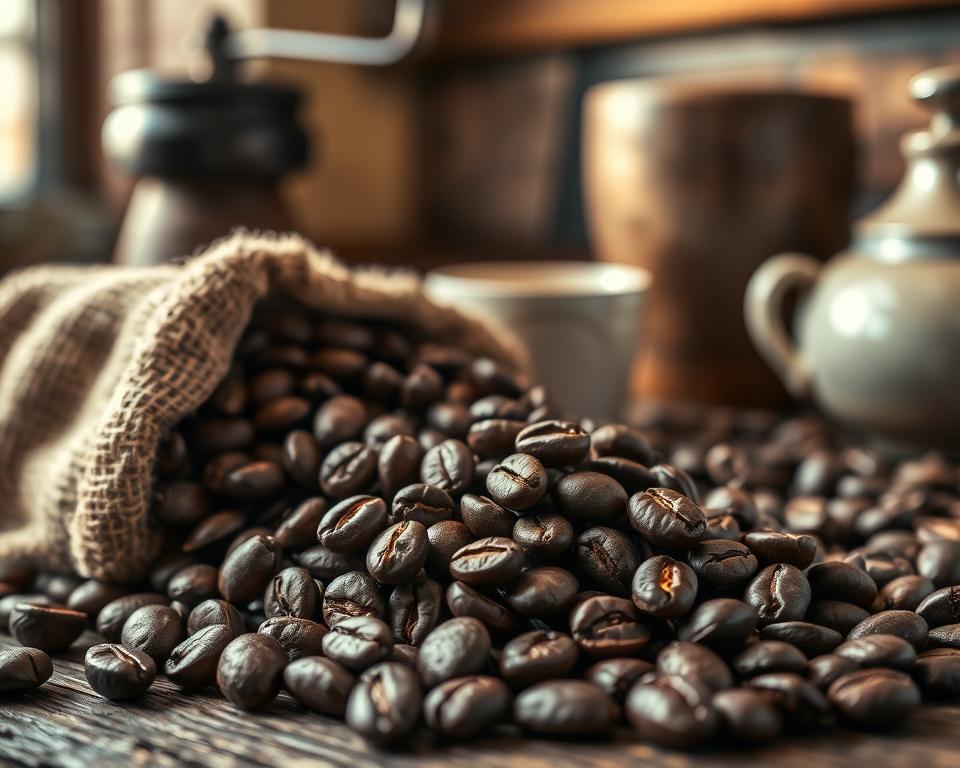
Once you’ve picked your coffee beans, storing them properly is key to keeping their freshness and flavor. Here are some tips:
- Store your coffee beans in an airtight container to prevent air, moisture, and light from affecting the beans.
- Keep the container in a cool, dark place, away from direct sunlight and heat sources.
- Avoid freezing coffee beans, as the moisture can cause them to lose their flavor.
By following these storage tips, you can keep your coffee beans fresh and flavorful. This way, you can enjoy the perfect espresso every time.
Joining the Espresso Community
The world of espresso is more than just machines. It’s about the people who love it as much as you do. Being part of a community can make your espresso journey even better.
Online Forums and Resources
Online forums and resources are great for meeting other espresso lovers. Sites like Reddit’s r/coffee and r/espresso, and coffee forums, are full of useful info. You can share your experiences, get advice, and learn from others.
Some popular online resources include:
- Coffee forums on Reddit
- Specialized coffee blogs and websites
- Social media groups dedicated to espresso
These places are not just for learning new things. They also keep you up-to-date with espresso trends and products.
Local Coffee Events Worth Attending
Local coffee events are also a big plus. They include coffee tastings, brewing workshops, and meetups. These events are perfect for networking and learning more about espresso.
Some events to look out for include:
- Coffee festivals and expos
- Brewing classes at local coffee shops
- Coffee cupping sessions
Going to these events can really boost your knowledge. Plus, you’ll meet people who love espresso just as much as you do.
As James Hoffmann, a well-known coffee expert, once said,
“The coffee community is a vibrant and diverse group of people, united by their passion for coffee.”
This quote really captures the spirit of the espresso community, whether online or in person.
By joining the espresso community, you’ll not only get better at brewing. You’ll also become part of a culture that loves the art and science of espresso.
Conclusion: Finding Your Perfect Match
Our journey through entry-level espresso machines shows finding the right one is key for coffee lovers. Whether you want the best budget or beginner machines, know your needs and likes. This will help you choose the perfect one.
My Top Picks Revisited
I looked at my top picks again. The Breville Bambino Plus, De’Longhi EC155, and Gaggia Classic Pro are great. They’re quality, easy to use, and affordable. They’re perfect for espresso newbies.
Embarking on Your Espresso Journey
Starting your espresso journey? Remember, practice is key. Try different roasts, grind sizes, and brewing methods. With the right machine, you’ll soon make delicious espresso at home.