


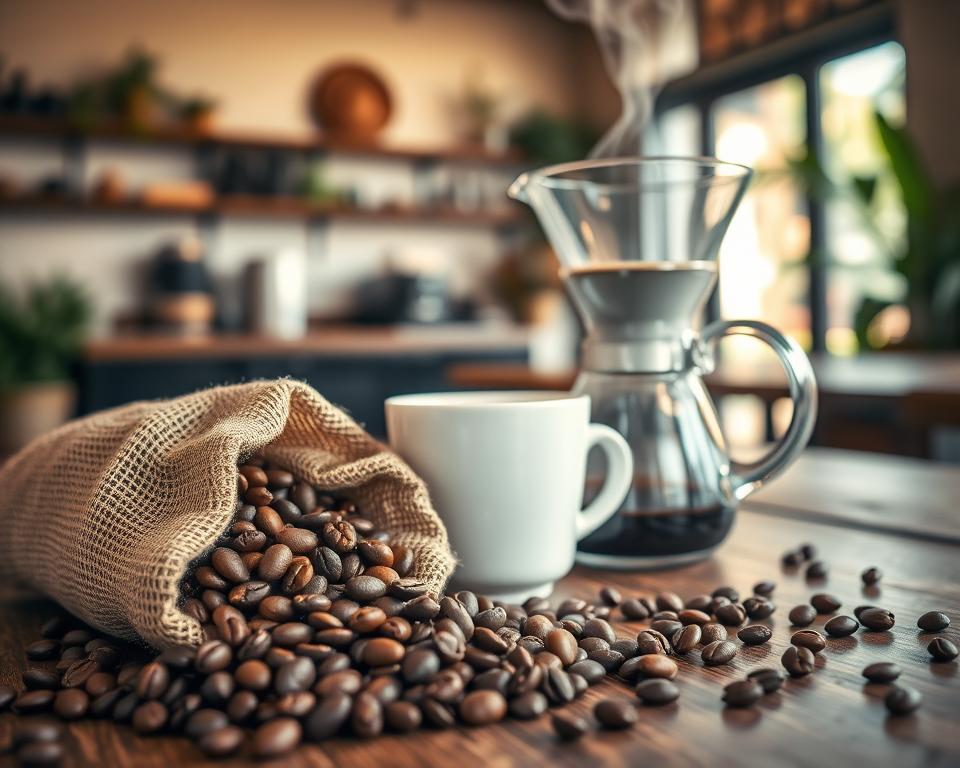
As a coffee lover, I’ve often debated between ground coffee and whole beans. Did you know the average American drinks 2.1 cups of coffee daily? This shows how important coffee is in our lives, making the choice between whole bean and ground coffee key.
My coffee journey has shown me the unique sides of both whole bean and ground coffee. Some like grinding their beans at home, while others prefer pre-ground coffee. It’s important to think about what matters most: flavor, convenience, or a mix of both.
Key Takeaways
- The debate between whole bean and ground coffee centers around convenience and flavor.
- Coffee enthusiasts have different preferences when it comes to grinding their beans.
- The choice between whole bean and ground coffee affects the overall coffee experience.
- Freshness is a key factor in determining the quality of coffee.
- Understanding the pros and cons of each can help coffee lovers make informed decisions.
Why Coffee Choice Matters to Me
Exploring coffee has shown me how vital it is to pick the right one. My coffee journey has been both exciting and complex.
Exploring the Coffee Culture
Coffee culture is rich and varied, with many brewing methods and traditions. Understanding this culture has deepened my coffee appreciation. It’s not just about drinking coffee; it’s about the experience, aroma, and community.
Quality is a big part of coffee culture. Whether it’s whole bean or ground, the coffee’s quality greatly affects taste and experience. I’ve learned that while ground coffee is convenient, quality is key.
My Personal Brewing Journey
My brewing journey has been full of discovery. I’ve tried different methods, like French press and pour-over, each with its own traits. Learning about coffee grind sizes has helped me improve my brewing.
| Brewing Method | Coffee Type | Grind Size |
|---|---|---|
| French Press | Whole Bean | Coarse |
| Pour-Over | Whole Bean | Medium |
| Drip Coffee | Ground Coffee | Medium |
My journey has taught me that choosing between whole bean and ground coffee depends on brewing method and flavor. Trying different grind sizes has helped me tailor my coffee experience.
Understanding Whole Bean Coffee
For coffee lovers, whole bean coffee is a big deal. It brings a flavor depth that’s unmatched. As I explored coffee, I found that the key to a perfect cup is knowing whole bean coffee.
What Is Whole Bean Coffee?
Whole bean coffee is coffee beans that haven’t been ground yet. They keep their flavor and aroma longer because they’re not exposed to air. Storing whole beans right is key to keeping them fresh.
To keep whole bean coffee fresh, store it in an airtight container. Keep it away from light and heat. I use containers that are airtight and opaque to protect the beans from environmental factors.

The Importance of Freshness
Freshness is key with whole bean coffee. Coffee beans lose flavor as soon as they’re ground. So, I grind my coffee just before brewing for the best taste. The flavor difference between freshly ground and pre-ground coffee is clear.
Here’s a look at how different storage affects whole bean coffee’s flavor:
| Storage Method | Flavor Profile | Freshness Duration |
|---|---|---|
| Airtight Container, Cool, Dark Place | Rich, Full-Bodied | Up to 2 weeks |
| Transparent Container, Room Temperature | Flat, Less Aromatic | Less than 1 week |
| Freezer in Airtight Container | Preserved, Rich | Up to 2 months |
Choosing the right storage method can make your whole bean coffee last longer. This way, every cup is as great as the first.
The Allure of Ground Coffee
Ground coffee has been a staple in my kitchen for years. It offers a convenient and flavorful brewing experience. I’ve come to appreciate the unique benefits it brings.
Convenience of Ground Coffee
Ground coffee is super convenient. Unlike whole bean coffee, which needs grinding before brewing, ground coffee is ready to go. This makes it perfect for busy mornings or when you’re in a rush.
When comparing ground coffee vs instant coffee, the quality difference is clear. Ground coffee has a richer flavor and aroma. Instant coffee, on the other hand, can taste bland and unappealing.
Common Types of Ground Coffee
Ground coffee comes in many types, fitting different brewing methods and tastes. From fine grinds for espresso machines to coarse grinds for French press, there’s something for everyone.
When deciding which is better, coffee whole bean or ground, it depends on your taste and brewing habits. Ground coffee is easy and convenient. Whole bean coffee offers more flexibility in grind size and flavor.
In conclusion, ground coffee’s allure lies in its convenience, variety, and rich flavor. Whether you’re a busy professional or a coffee lover, ground coffee meets your needs.
Pros of Whole Bean Coffee
Choosing whole bean coffee can make your coffee experience better. It offers enhanced flavor and lets you customize your grind. When you pick whole beans, you keep the coffee’s natural oils and flavors inside until you’re ready to brew.
Enhanced Flavor Profile
Whole bean coffee has a enhanced flavor profile. Grinding your beans right before brewing lets out the perfect amount of flavor and aroma. This is because grinding exposes the coffee’s natural oils, which then mix into your brew, giving you a richer taste.
For example, some of the best whole bean coffee like Ethiopian Yirgacheffe or Colombian Gesha have floral and fruity notes. These are kept fresh when you grind them just before brewing. This freshness is tough to get with pre-ground coffee.
Custom Grind Sizes
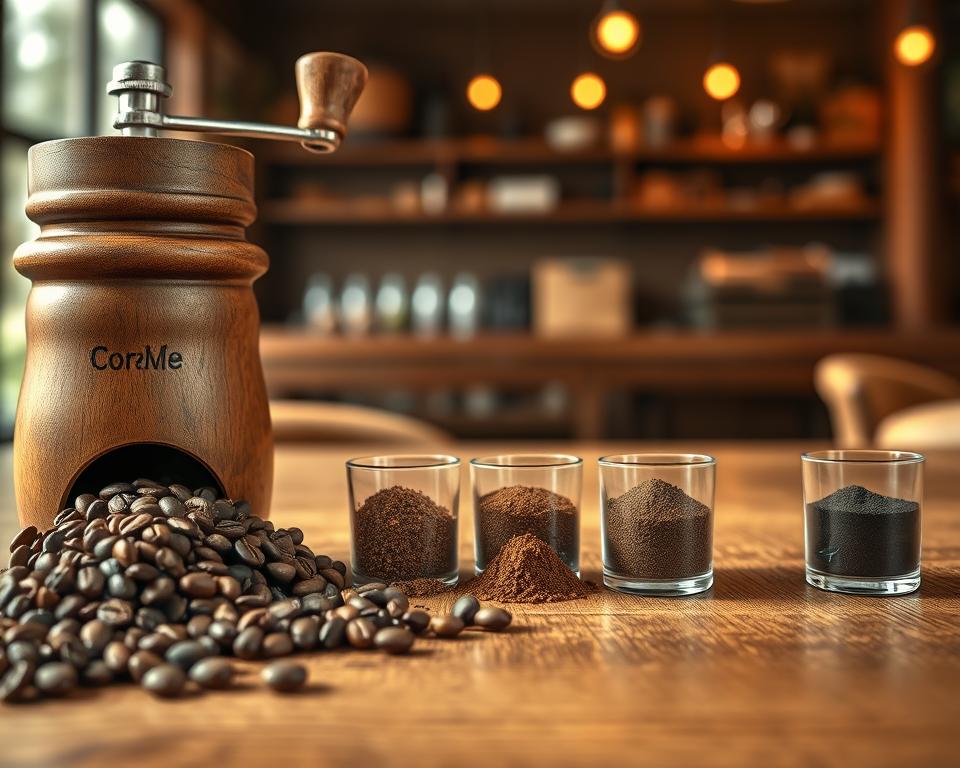
Another big plus of whole bean coffee is the ability to adjust your coffee grind sizes for your brewing method. Whether you’re using a French press, pour-over, or espresso machine, you can tweak the grind size. This ensures you get the best flavor from your coffee beans.
| Brewing Method | Recommended Grind Size |
|---|---|
| French Press | Coarse |
| Pour-Over | Medium |
| Espresso | Fine |
With control over the grind size, you can try out different brewing methods to find your ideal cup. This flexibility is a big plus for whole bean coffee lovers.
Cons of Whole Bean Coffee
Whole bean coffee has its downsides, which might not appeal to everyone. It offers a richer taste and more control over brewing. But, it requires extra effort and specific equipment.
Equipment Needs
One major drawback is needing a grinder. Unlike ground coffee, whole beans must be ground before brewing. This means you’ll need to buy a good grinder, adding to your costs.
There are two main types of grinders: blade and burr. Blade grinders are cheaper but can heat up the beans. Burr grinders are pricier but better at controlling grind size and keeping beans cool.
James Hoffmann, a coffee expert, once noted,
“A good grinder is essential for making great coffee, but it’s often overlooked by many coffee enthusiasts.”
This shows how important the right equipment is for whole bean coffee.
| Grinder Type | Cost | Grind Control | Heat Generation |
|---|---|---|---|
| Blade Grinder | $20-$50 | Limited | High |
| Burr Grinder | $100-$300 | High | Low |
Time Investment
Another drawback is the time needed to grind and brew. Grinding whole beans can be a ritual, taking up time, mainly in the mornings. Yet, many find it a pleasant part of their day.
To lessen these issues, you can grind a large batch and store it in an airtight container. This way, you can enjoy whole bean coffee without grinding every time. There are also automatic grinders that make the process easier.
In summary, whole bean coffee has its downsides, like needing extra equipment and time. But, with the right strategies and tools, these can be managed. Knowing these cons helps coffee lovers decide if whole bean coffee suits them.
Pros of Ground Coffee
In today’s fast world, ground coffee is quick and easy. It’s perfect for those who want a great cup of coffee fast. I’ve found it to be a great part of my daily routine.
Quick Brewing Process
Ground coffee brews fast. Unlike whole beans, it’s ready to go. This is great for people who are always on the go.
It’s perfect for busy mornings. You can make a tasty cup of coffee in just a few minutes. No extra steps needed.
Less Equipment Required
Ground coffee needs less stuff than whole beans. You don’t need a grinder, saving money. It’s also easier to start brewing right away.
To show ground coffee’s benefits, let’s compare it with instant and whole bean coffee. We’ll look at brewing time and what you need to make it.
| Coffee Type | Brewing Time | Equipment Needed |
|---|---|---|
| Ground Coffee | 5 minutes | Coffee maker or French press |
| Whole Bean Coffee | 7-10 minutes (including grinding) | Grinder and coffee maker or French press |
| Instant Coffee | 1-2 minutes | None |
The table shows ground coffee is a good middle ground. It’s easy to use and tastes great, making it a favorite among coffee fans.
Cons of Ground Coffee
Ground coffee is easy to use, but it has downsides. It’s convenient, but the quality of your coffee might suffer.
Flavor Degradation Over Time
Ground coffee loses flavor fast. When beans are ground, they expose more to air. This speeds up the loss of taste and smell. Even fresh ground coffee can lose quality quickly if not stored right.
Limited Control Over Grind Size
Ground coffee makes it hard to control the grind size. Each brewing method needs a specific grind. Pre-ground coffee might not fit your needs. This can lead to a less-than-ideal brew.
When deciding between whole bean and ground coffee, think about these points. Ground coffee’s convenience might not be worth the flavor loss for those who want the best taste.
Flavor Comparisons: Whole Bean vs Ground
My coffee journey showed me the flavor differences between whole bean and ground coffee. Grinding is key to the coffee’s taste.
How Grinding Affects Taste
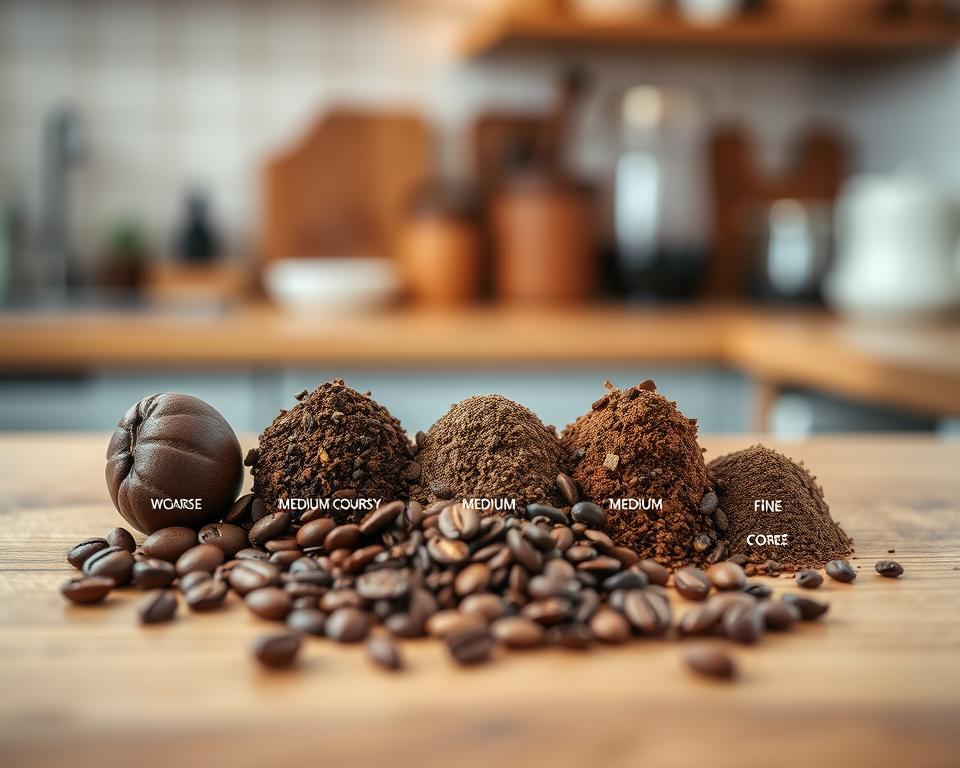
Grinding coffee beans releases flavors and aromas. Whole bean coffee keeps its taste longer because it’s less exposed. Ground coffee loses flavor fast due to air, water, and light.
Grinding whole beans just before brewing brings out a vibrant flavor. This is because it releases the right amount of oils and essences. Pre-ground coffee, though easy, tastes stale and lacks depth.
Taste Tests: My Experiences
I’ve tasted both freshly ground whole beans and pre-ground coffee. Freshly ground coffee tastes richer and more complex. Pre-ground coffee is uniform but lacks character.
Here’s a comparison table from my taste tests:
| Characteristics | Freshly Ground Whole Beans | Pre-Ground Coffee |
|---|---|---|
| Flavor Profile | Rich, complex, nuanced | Uniform, less nuanced |
| Aroma | Strong, vibrant | Less intense, sometimes stale |
| Freshness | High, due to grinding just before brewing | Variable, depends on storage and packaging |
Storing whole beans properly is key to keeping their flavor. Store them in an airtight container in a cool, dark place.
In conclusion, choosing between whole bean and ground coffee greatly impacts the taste. My taste tests show that freshly ground whole beans offer the best flavor.
Tips for Choosing the Right Coffee
The world of coffee is vast, and finding your perfect cup involves considering several key factors. Whether you’re a coffee aficionado or a casual drinker, making an informed decision can elevate your coffee experience.
Factors to Consider
When deciding between whole bean and ground coffee, several factors come into play. Your lifestyle, brewing equipment, and taste preferences are key in making the right choice.
- Lifestyle: If you’re always on the go, ground coffee might be more convenient due to its ease of use.
- Equipment: Whole bean coffee requires a grinder, which can be an investment but also allows for more control over your brew.
- Taste Preferences: If you value freshness and flavor, whole bean coffee is often the preferred choice.
| Factor | Whole Bean Coffee | Ground Coffee |
|---|---|---|
| Lifestyle Convenience | Requires grinding, more preparation | Ready to use, quick brewing |
| Equipment Needed | Grinder necessary | None, or basic coffee maker |
| Flavor Profile | Enhanced, customizable | Convenient, but may lose flavor over time |
Personal Preferences
Ultimately, your personal taste preferences play a significant role in choosing between whole bean and ground coffee. Experimenting with both can help you determine what works best for you.
For instance, if you enjoy the ritual of grinding your coffee beans, whole bean might be the way to go. On the other hand, if convenience is your top priority, ground coffee could be your best bet.
By considering these factors and understanding your personal preferences, you can make an informed decision that enhances your coffee experience.
My Final Thoughts on Whole Bean and Ground Coffee
After looking into whole bean and ground coffee, I’ve made up my mind. The choice between whole bean and ground coffee depends on what you like and how you brew.
The Verdict
Whole bean coffee tastes better to me because it’s fresh and you can grind it just right. But, it takes more gear and time. Ground coffee is easy to use and brews fast, but it might not taste as rich as whole beans.
Making an Informed Decision
Deciding between whole bean and ground coffee depends on what matters most to you. If flavor is your top priority, whole bean might be the better choice. But, if you value convenience, ground coffee could be the way to go. Knowing the benefits of both will help you choose the best coffee for you.