

As a coffee lover, I’ve always been intrigued by specialty coffee. Did you know that over 70% of coffee’s taste comes from how it’s processed? This fact shows how complex and detailed specialty coffee is, with sweetness being key.
My first taste of specialty coffee was memorable. It was processed in a special way, and it was incredibly sweet. This moment made me want to learn more about what makes specialty coffee sweet.
Key Takeaways
- Understanding the factors that contribute to sweetness in specialty coffee
- Exploring the role of processing methods in shaping flavor profiles
- Discovering techniques to enhance sweetness in every cup
- Learning how to appreciate the unique characteristics of specialty coffee
- Developing a deeper understanding of the coffee’s flavor profile
The Appeal of Specialty Coffee
Specialty coffee has a special appeal. It offers a wide range of flavors and experiences. This makes it stand out from other types of coffee.
What Sets Specialty Coffee Apart?
Specialty coffee is known for its high-quality beans. These beans come from all over the world. The attention to detail in every step, from sourcing to brewing, creates its unique flavors.
One key thing that makes specialty coffee special is its variety of coffee sweetness levels. You can find coffees with chocolate or fruit notes. This means there’s something for everyone.
My Journey into Specialty Coffee
I started exploring specialty coffee because of its complex flavors. I was curious about how sweetness enhances the taste. I found that enhancing sweetness in coffee is an art.
Through my journey, I’ve learned that specialty coffee is more than just taste. It’s about the whole experience. From the aroma to the first sip, it’s designed to please your senses.
Understanding Coffee Flavor Profiles
Exploring specialty coffee, I found that knowing coffee flavor profiles is essential. Each coffee’s flavor is unique, shaped by many factors.
The place where coffee grows, called terroir, greatly influences its taste. Soil quality, climate, and altitude all matter. For example, coffee from high places often tastes more complex, with fruit and floral notes.
The Role of Terroir in Coffee
Terroir isn’t just about where coffee is grown. It also includes how it’s processed. The processing method, like washed, natural, or honey, changes the taste. It brings out sweet notes that make specialty coffee special.
Processing Methods and Their Impact
- Washed Processing: Gives a clean, bright taste with sharp acidity.
- Natural Processing: Highlights fruitier flavors and a sweeter taste.
- Honey Processing: Combines the best of washed and natural, with a sweeter body and cleaner finish.
Learning about these methods helps us understand coffee’s sweetness. As I honed my taste, I saw how different methods change flavors.
To show how terroir and processing shape coffee’s taste, look at this table:
| Coffee Origin | Processing Method | Flavor Profile |
|---|---|---|
| Ethiopia | Natural | Fruity, Floral, Sweet |
| Colombia | Washed | Balanced, Caramel, Citrus |
| Kenya | Washed | Bright, Complex, Blackcurrant |
Knowing about terroir and processing lets coffee lovers truly enjoy its complex flavors and sweetness.
Different Types of Sweetness in Coffee
Exploring specialty coffee, I found that sweetness is complex. It has many types, each adding to the coffee’s flavor. This complexity makes coffee more enjoyable.
There are two main types of sweetness in specialty coffee. These are natural and processed sweetness.
Natural vs. Processed Sweetness
Natural sweetness comes from the coffee cherry’s ripening. It’s found in high-quality Arabica beans. Processed sweetness, on the other hand, comes from methods like honey or washed processing.
When rating coffee on the sweetness scale coffee, processing matters. Some methods highlight sweetness more than others. Coffees with natural sweetness often taste more refined.
Notes of Sugar and Fruit
Coffees with notes of sugar and fruit are a treat. These flavors come from the coffee’s natural sweetness. They can taste like caramel, vanilla, berries, or citrus.
In my coffee journey, I noticed fruit notes increase sweetness. Fruit flavors make the coffee taste more vibrant. Paying attention to these notes helps understand sweetness.
The sweetness in coffee varies by origin, processing, and roast. Exploring these differences helps coffee lovers appreciate its complexity.
The Science Behind Flavor and Sweetness
Unlocking the secrets of sweetness in specialty coffee involves understanding the science behind its flavor. As I explored the world of specialty coffee, I found that its sweetness is rooted in chemistry.
The Chemistry of Coffee Sweetness
The chemistry of coffee sweetness is complex. It involves compounds that contribute to its flavor. Caffeine, sugars, and acids are key components that interact to create sweetness. For example, the Maillard reaction, a chemical reaction, occurs during roasting and impacts flavor.
Understanding this chemistry is key for improving coffee sweetness. By adjusting roast levels and brewing techniques, we can change the flavor. For example, a lighter roast keeps more of the coffee’s natural sweetness.
My Favorite Brewing Methods for Extraction
Brewing methods are vital for extracting sweetness from coffee. My favorites involve the right water temperature, coffee-to-water ratio, and brewing time. For instance, pour-over and French press methods offer control over brewing, allowing for complex flavor extraction.
Trying different brewing techniques showed me that balance is key. A balanced extraction brings out the coffee’s natural sweetness without overpowering other flavors.
To enhance sweetness in coffee, understanding brewing methods is essential. By choosing the right method and adjusting brewing parameters, we can make coffee sweeter without sugar.
Identifying Sweetness in Coffee Tasting
As a coffee lover, I’ve learned that finding sweetness in coffee is an art. It takes patience and practice. I’m excited to share this skill with you.
To enjoy the sweetness in specialty coffee, you need to know how to taste it. It’s not just about drinking coffee. It’s about experiencing all the flavors and aromas.
How to Taste Specialty Coffee
Tasting specialty coffee is a sensory journey. Start by noticing the coffee’s aroma. The smell can hint at the coffee’s sweetness.
Then, take a sip and let it sit in your mouth. Notice the sweetness in the flavors. The aftertaste also tells you about the coffee’s sweetness.
Developing My Palate for Sweetness
Getting good at tasting sweetness in coffee takes time. I tasted many coffees and focused on their flavors.
As I tasted more, I noticed the small differences in flavor. I learned how sweetness balances other tastes, making the coffee enjoyable.
“The sweetness in specialty coffee is not just about sugar; it’s about the complex interplay of flavors that create a rich and satisfying taste experience.”
By following these steps and practicing, you can improve your taste for sweetness in coffee. Whether you’re new to coffee or a seasoned lover, keep exploring and learning.
Popular Sweet Flavor Notes in Specialty Coffee
Exploring specialty coffee, I found many sweet flavors that excited my taste buds. Specialty coffee is known for its rich and varied tastes, with sweet notes being a favorite among coffee lovers.
Common Flavor Profiles I Enjoy
I’ve grown to love certain flavors more. Fruity notes, like berry or citrus hints, are a big hit. These flavors come from high-quality Arabica beans that are carefully processed.
Some sweet flavors you might enjoy include:
- Caramel
- Honey
- Fruity hints (berries, citrus)
- Nutty undertones
The Impact of Roast Levels on Sweetness
The roast level of coffee beans greatly affects its sweetness. Lighter roasts keep more of the coffee’s natural acidity and fruit flavors. On the other hand, darker roasts offer deeper, richer tastes.
| Roast Level | Flavor Profile | Sweetness Level |
|---|---|---|
| Light Roast | Fruity, floral | High |
| Medium Roast | Balanced, nuanced | Medium |
| Dark Roast | Rich, bold | Low to Medium |
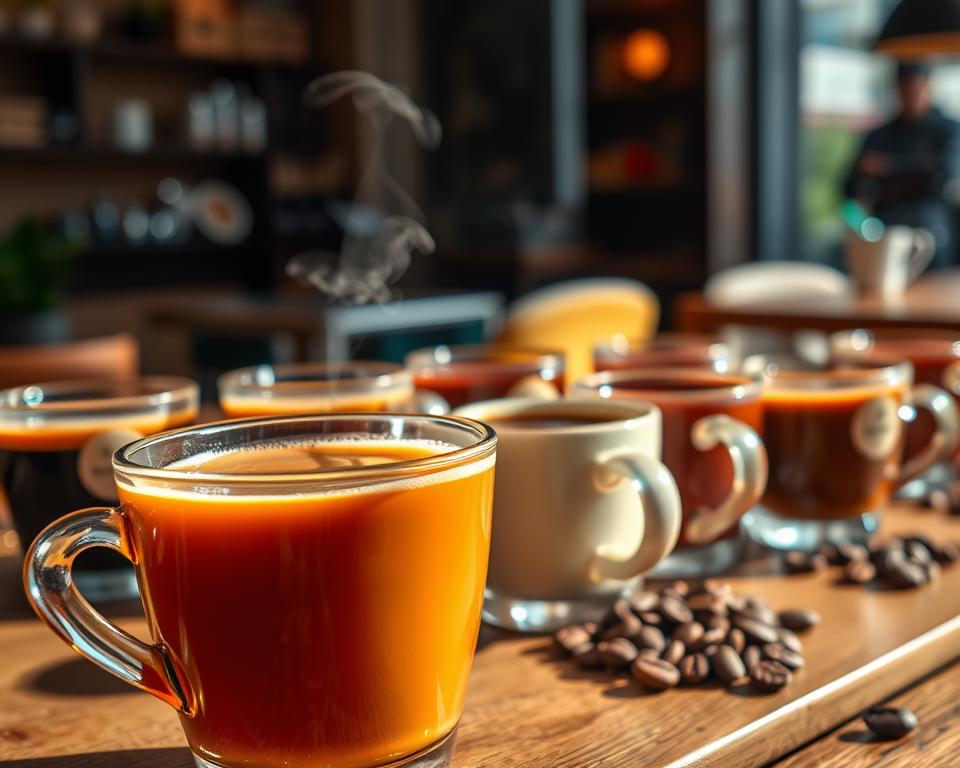
In my experience, medium roast coffee often has a balanced taste with just the right sweetness. But, the best roast can change based on how you brew it and what you like.
The Role of Baristas in Enhancing Sweetness
Baristas are experts who make coffee taste amazing. They bring out the coffee’s sweetness and flavor. I’ve seen how they make a big difference in the coffee experience.
Perfecting the Brew
Baristas are like coffee artists. They know how to get the coffee’s natural sweetness out. They use special brewing methods to do this.
Key brewing techniques include:
- Adjusting grind size for optimal extraction
- Calibrating water temperature for ideal brewing
- Mastering the pour-over or drip brewing method
| Brewing Technique | Impact on Sweetness | Barista Adjustment |
|---|---|---|
| Grind Size | Affects extraction rate | Adjust grind size for optimal flow |
| Water Temperature | Influences flavor compound extraction | Calibrate temperature for ideal brewing |
| Coffee-to-Water Ratio | Balances flavor and sweetness | Adjust ratio for optimal balance |
My Experiences with Talented Baristas
I’ve met many skilled baristas who have taught me a lot. One time, a barista at a local coffee shop made a cup that was incredibly sweet.
I’m always learning from baristas as I explore specialty coffee. They help me understand and enjoy coffee’s complex flavors and sweetness.
Sweetness and the Brewing Process
The brewing process is key to unlocking coffee’s natural sweetness. It’s an art that needs precision and patience. By tweaking a few things, I can get the most out of coffee beans.
The Importance of Water Temperature
Water temperature is vital for extracting coffee flavors. Optimal water temperature is between 195°F and 205°F. This range brings out the best flavors, including sweetness. Too hot water can burn the coffee, and too cold can make it taste weak.
Experimenting with water temperature shows me small changes can make a big difference. Water at the lower end of the range can reveal more complex flavors. Water at the higher end can make the coffee taste brighter.
Exploring Brew Ratios for Sweetness
The brew ratio, coffee to water, is also important for sweetness. A balanced brew ratio ensures the coffee is just right. I’ve found a ratio of 1:15 to 1:17 works best for sweetness.
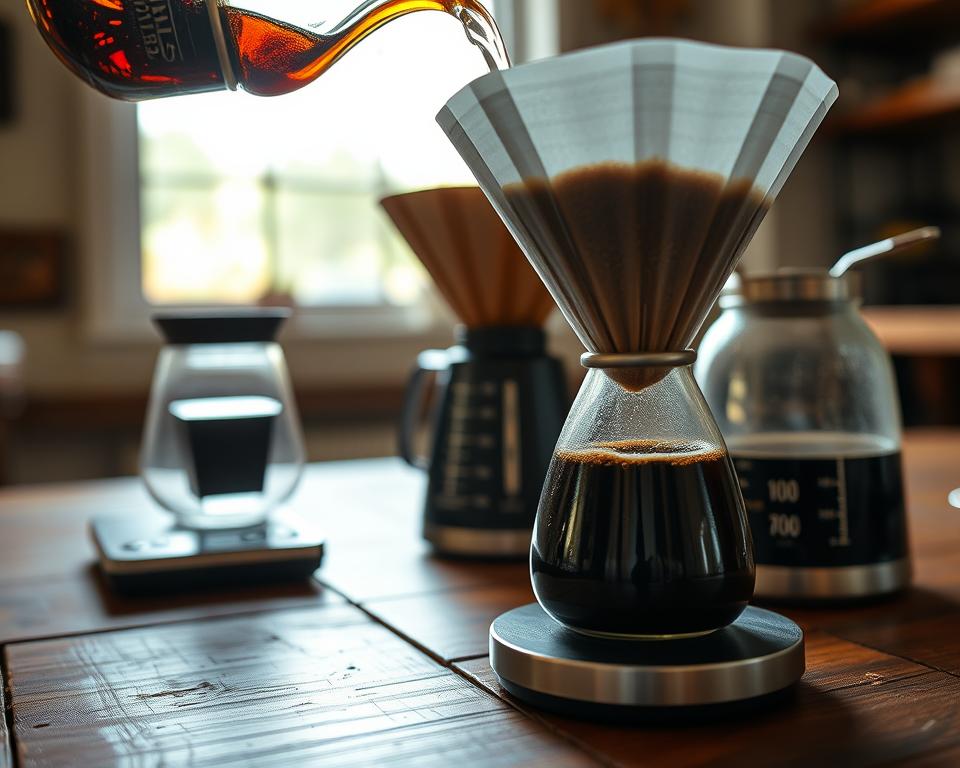
By adjusting the brew ratio, I can customize the flavor. A higher coffee to water ratio makes the coffee’s body and sweetness stand out. A lower ratio makes it taste cleaner and brighter.
Pairing Specialty Coffee with Food
As a coffee lover, I’ve learned that pairing specialty coffee with food brings out new flavors. The sweetness in specialty coffee is amazing when matched with the right dishes.
Pairing coffee with food is all about finding harmony in flavors. Sweet notes in specialty coffee pair well with many dishes, making the experience even better.
Sweet Coffee and Desserts
Pairing sweet specialty coffee with desserts is perfect. The coffee’s sweetness matches the richness of desserts, creating a wonderful taste. Here are some of my top pairings:
- Coffee with caramel notes paired with a salted caramel chocolate tart
- Coffee with vanilla hints paired with a vanilla crème brûlée
- Coffee with fruity notes paired with a strawberry shortcake
My Favorite Coffee and Cheese Combinations
Coffee and desserts are classic, but coffee and cheese pairings are also great. The trick is to match cheeses with the coffee’s flavor notes.
A coffee with sweet notes of caramel goes well with mild, creamy Brie. The coffee’s sweetness balances the cheese’s richness, making for a great taste.
Other coffee and cheese pairings I enjoy include:
- A coffee with fruity notes paired with tangy goat cheese
- A coffee with chocolate notes paired with creamy Gouda
Trying different coffee and food pairings is fun and rewarding. It’s a great way to explore specialty coffee’s nuances and find new flavors.
Sweetness in Coffee Culture
Exploring specialty coffee, I see how sweetness shapes coffee culture. The way people enjoy sweetness varies across coffee shops. This shows the wide range of coffee tastes out there.
How Sweetness Shapes Coffee Trends
Sweetness in specialty coffee changes trends and what people like. Coffee shops focus on unique tastes, like sugar and fruit notes. This draws in those looking for special coffee experiences.
The balance of acidity, bitterness, and sweetness is key to a coffee’s taste. It makes a big difference.
Consumer preferences for sweetness shape the coffee market. People want certain beans and roast levels. Lighter roasts keep more sweetness, while darker ones offer deeper flavors.
Personal Experiences in Specialty Coffee Shops
My visits to specialty coffee shops highlight the importance of coffee culture. Baristas are key in bringing out coffee’s sweetness. They use precise brewing and know coffee flavors well.
In these shops, the vibe and service add to the coffee. The attention to detail and coffee knowledge make the sweetness an experience, not just a taste.
Conclusion: My Sweet Coffee Journey
Reflecting on my journey in specialty coffee, I find joy in finding the perfect flavor balance. The sweetness in specialty coffee makes each cup a delight. It’s what elevates the experience.
Exploring the Depths of Sweetness
Enhancing sweetness in coffee is an art. It involves understanding flavors, brewing methods, and barista skills. By trying different roasts and brewing techniques, I’ve learned to appreciate the sweetness in every cup.
My journey in exploring sweetness in specialty coffee has been rewarding. It has shown me the complexities of this beloved drink. I’m excited to find new flavors and techniques that make coffee sweeter.
Future Adventures
Looking ahead, I’m eager to explore more in specialty coffee. I’ll dive deeper into flavor profiles and brewing methods. I’m always searching for new ways to enjoy the sweetness that makes specialty coffee unique.