

As a coffee lover, I’ve always been intrigued by the complex tastes that stay with me after drinking. The lingering flavors of a great cup can be truly captivating. Did you know the finish of a coffee is as key as its first taste?
I remember a cup of coffee that really stood out to me. The rich, smooth finish was amazing, showing me the beauty of coffee aftertaste. In this article, I’ll guide you through the world of coffee aftertaste and finish. We’ll explore how to enjoy the rich flavors of your favorite coffee.
Key Takeaways
- Understanding the importance of coffee aftertaste and finish
- Exploring the factors that influence coffee flavor finish profile
- Learning how to appreciate the nuances of coffee aftertaste
- Discovering tips to enhance your coffee-drinking experience
- Identifying the characteristics of a well-crafted cup of coffee
Understanding Coffee Aftertaste
Coffee aftertaste is more than just a lingering flavor; it’s a key part of the coffee experience. As I explore coffee, I see how the aftertaste shapes my experience. We’ll dive into the world of coffee aftertaste, looking at its definition, impact, and common flavors.
What Is Aftertaste?
Aftertaste is the flavors that stay after you swallow your coffee. It’s the taste that lingers, often making a lasting impression. Coffee lovers know that aftertaste is key to enjoying coffee.
“The aftertaste is where the magic happens,” says a coffee critic. “It’s the final goodbye of the coffee, leaving you with a lasting memory of the flavors.” This quote shows how important aftertaste is.
How Aftertaste Impacts My Experience
The aftertaste greatly affects my coffee experience. A good aftertaste makes me want more, while a bad one can be off-putting. When I find a coffee with a nice aftertaste, I enjoy the flavors even more.
Exploring different coffee blends shows me how aftertaste changes. Some coffees have a lingering sweetness, while others end with a dry, bitter taste. Understanding aftertaste helps me appreciate coffee’s complexity.
Common Flavor Profiles in Aftertaste
There are several common flavors in coffee aftertaste. These include:
- Fruity notes, such as citrus or berries
- Nutty flavors, like almonds or hazelnuts
- Chocolatey or caramel-like sweetness
- Spicy or smoky undertones
By recognizing these flavors, I can better understand my favorite coffees. I appreciate their unique qualities more.
The Role of Finish in Coffee Tasting
The finish of coffee is truly magical, leaving a lasting taste. It’s key to enjoying coffee’s complex flavors.
Defining the Term “Finish”
The finish of coffee is the taste that stays after you drink it. It’s the coffee’s final touch on your taste buds. A great finish can make the coffee even better, while a bad one can ruin it. Coffee expert Trish Rothgeb says, “The finish is where the coffee tells its story, and it’s up to the taster to listen.”
“The finish is where the coffee tells its story, and it’s up to the taster to listen.” – Trish Rothgeb
Types of Finishes I Encounter
Coffee finishes can be very different. They can be smooth and sweet or bitter and astringent. Here are some common finishes:
- Smooth Finish: Leaves a clean, smooth sensation on the palate.
- Fruity Finish: Often presents notes of fruit, such as citrus or berries.
- Spicy Finish: May include warm, spicy flavors like cinnamon or nutmeg.
The finish greatly affects how you experience coffee. Some coffees have a lingering coffee finish that lingers long after you finish drinking.
| Finish Type | Description | Example Flavor Notes |
|---|---|---|
| Smooth | Clean, smooth sensation | Caramel, Vanilla |
| Fruity | Notes of fruit | Citrus, Berries |
| Spicy | Warm, spicy flavors | Cinnamon, Nutmeg |
Those who like a calm coffee experience often prefer a smooth coffee finish. Others might enjoy the complexity of fruity or spicy finishes. Knowing about these finishes helps you enjoy your coffee more.
Factors Influencing Coffee Aftertaste
Learning about what affects coffee aftertaste can make your coffee time better. The aftertaste, or the flavors that stay after drinking, comes from several important factors.
Brewing Methods and Their Effects
The way you brew your coffee greatly changes its aftertaste. Each brewing method pulls out different amounts of coffee solids. This affects the taste.
- Espresso: Known for its rich and intense aftertaste, espresso has a bold finish due to the high pressure used in its brewing process.
- Pour-over: This method allows for a clean and nuanced aftertaste, as it enables a high degree of control over brewing parameters.
- French Press: The aftertaste of French Press coffee is often described as rich and full-bodied, with a heavier body due to the immersion brewing method.
Roast Levels and Their Impact
The roast level of coffee beans is also key in aftertaste. Lighter roasts have a more acidic and fruity taste. Darker roasts offer a deeper, richer flavor.
| Roast Level | Aftertaste Characteristics |
|---|---|
| Light Roast | Acidic, fruity, with floral notes |
| Medium Roast | Balanced, with hints of nuts and caramel |
| Dark Roast | Rich, bold, with smoky or chocolatey notes |
Knowing how brewing methods and roast levels impact aftertaste helps you choose better. This way, you can enjoy your coffee more.
The Science Behind Coffee Flavor
Learning about the science of coffee flavor can make us appreciate it more. The mix of compounds and how we see them makes coffee tasting interesting.
How Our Taste Buds Perceive Aftertaste
Our taste buds are key in noticing coffee’s aftertaste. When we drink coffee, the volatile compounds go up our throat. They bind to olfactory receptors, affecting how we sense aftertaste.
This mix of compounds and brain processing leads to the complex tasting coffee finish characteristics we feel.
The aftertaste is more than just a lingering taste; it’s a mix of taste and smell. Our tongues can detect five basic tastes: sweet, sour, salty, bitter, and umami. But coffee’s aftertaste mainly comes from volatile compounds we smell.
The Chemistry of Coffee Compounds
Coffee has hundreds of chemical compounds, like acids, sugars, and phenolic compounds. These all shape its flavor. The coffee flavor finish profile changes with roast level, brewing method, and bean origin.
For example, darker roasts are often more bitter because of certain compounds formed during roasting.
The science of coffee flavor is complex. Caffeine and chlorogenic acids make it bitter and astringent. Sugars and other compounds can leave a sweet taste. Knowing this can help us enjoy our coffee more.
By diving into coffee’s science, we appreciate the work that goes into making it. From farming to roasting and brewing, it’s a craft. This knowledge makes our coffee experience richer.
Personal Preferences in Aftertaste
The world of coffee is vast and exciting. Finding my favorite aftertastes has been a journey. Personal preferences are key to enjoying coffee’s nuances.
Identifying My Favorite Aftertastes
I pay close attention to flavors that linger after drinking. I seek coffee with a smooth, chocolatey aftertaste or a fruity note. Coffee experts say, “The aftertaste shows the coffee’s true character” (Coffee Connoisseur Magazine).
“The aftertaste is a critical component of the coffee tasting experience, as it reveals the coffee’s complex flavor profile.”
To improve my taste, I keep a coffee journal. It helps me distinguish between various aftertastes and spot patterns in my preferences.
How Preferences Evolve Over Time
My preferences change as I try new coffee blends. What I thought was the best coffee aftertaste might change. This is part of finding my personal taste.
Roast levels and brewing methods also shape my preferences. For example, a darker roast might have a smoky aftertaste I like. A lighter roast might have a more acidic finish.
Comparing Aftertaste with Other Drinks
Exploring the world of drinks, I notice how coffee, tea, and wine leave unique aftertastes. Coffee is my main focus, but knowing how it compares to other drinks helps me enjoy its subtleties more.
Coffee, tea, and wine each have their own aftertaste profiles. These are shaped by how they’re made, their ingredients, and production methods. Let’s look at how coffee compares to tea and wine in terms of aftertaste.
Coffee vs. Tea: The Aftertaste Battle
Coffee and tea are both known for their complex flavors and aftertastes. But, their aftertastes are quite different. This is because of how they’re brewed and processed.
Coffee usually has a more intense and richer aftertaste than tea. This is because of its brewing method and the natural oils in coffee beans. Tea, on the other hand, has a more delicate aftertaste. It can taste floral, grassy, or vegetal, depending on the type of tea.
| Beverage | Typical Aftertaste Characteristics |
|---|---|
| Coffee | Rich, intense, with notes of chocolate or nuts |
| Tea | Delicate, floral, grassy, or vegetal |
| Wine | Fruity, oaky, with hints of spices or berries |

Distinguishing Wine From Coffee Aftertaste
Wine, like coffee, is loved for its complex aftertaste. It can have flavors from fruity to oaky. But, wine’s aftertaste is more varied and nuanced. This is because of the grape variety, aging, and winemaking techniques.
Coffee’s aftertaste is complex but more consistent in flavor than wine. The lingering coffee finish often leaves a lasting impression. It can taste sweet and caramel-like or bitter and smoky.
In conclusion, comparing coffee’s aftertaste to tea and wine shows each drink’s unique qualities. Understanding these differences helps me appreciate coffee’s distinct qualities more.
Cultivating a Coffee Tasting Skill
Exploring coffee, I’ve learned that tasting it is a skill that grows with practice. To get better at it, one must slow down and enjoy the moment.
Sipping Mindfully
Sipping coffee mindfully is an art that needs focus on flavor and aroma. When I sip, I pay attention to the mouthfeel and flavors. This way, I can truly appreciate the coffee’s complexity.
To sip mindfully, try this:
- Notice the aroma before you sip.
- Record the flavors that come out in your mouth.
- Think about the aftertaste and how it stays with you.
Keeping a Flavor Journal
Keeping a flavor journal helps me track my progress and spot patterns. It lets me refine my taste and understand coffee better.
A flavor journal is just a notebook for your coffee notes. You can write about:
| Coffee Name | Flavor Profile | Aftertaste |
|---|---|---|
| Single-Origin Espresso | Fruity, floral | Long-lasting, with hints of dark chocolate |
| Blend Roast | Balanced, with notes of nuts | Medium-length, with a hint of caramel |
By sipping mindfully and keeping a journal, I improve my coffee tasting skills. It helps me appreciate the art of coffee even more.
Coffee and Its Cultural Context
Exploring coffee, I see how culture shapes its taste. Coffee is deeply rooted in tradition, with each region brewing it differently.
Regional Differences in Aftertaste
Coffee tastes vary by region due to soil, climate, and how it’s made. For example, Ethiopian coffee is fruity and floral, while Brazilian coffee is nutty and smooth.
Ethiopian Coffee: Known for its bright acidity and fruity flavors, Ethiopian coffee leaves a refreshing aftertaste.
Brazilian Coffee: Brazilian coffee is mild and sweet, making it a favorite for those who like a smooth taste.
“The way coffee is grown, processed, and brewed can dramatically alter its aftertaste, making every region’s coffee unique.”
Traditional and Modern Brewing Practices
Brewing methods also affect coffee’s taste. Traditional methods, like Turkish coffee or Ethiopian jebena brewing, use special techniques to enhance the aftertaste.
- Turkish coffee is made by grinding the beans finely and brewing them in a small pot called an ibrik or cezve. It results in a strong and rich aftertaste.
- Ethiopian jebena brewing uses a clay pot and coarse grind. It produces a coffee with a distinctively earthy aftertaste.
Modern brewing uses advanced technology, changing the aftertaste in different ways.
Understanding these differences helps me appreciate coffee’s diverse flavors and aftertastes.
Exploring Specialty Coffees
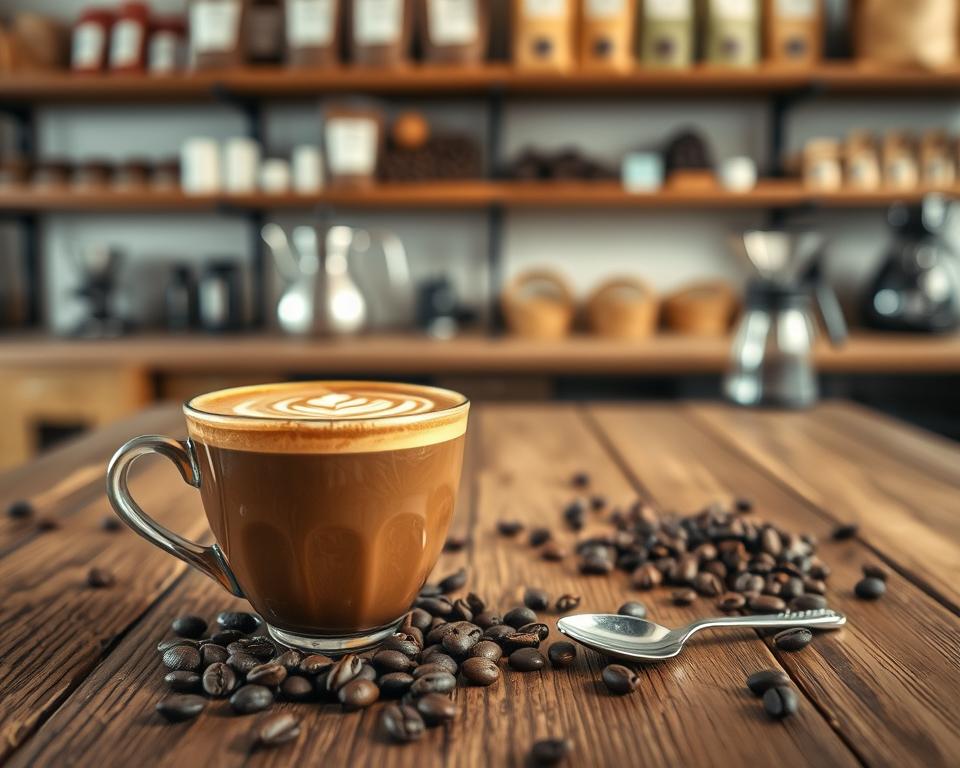
The world of specialty coffee is vast and exciting. It offers unique aftertastes that capture my senses. I’m drawn to the distinct qualities that make specialty coffee stand out.
What Sets Specialty Coffee Apart?
Specialty coffee is known for its high-quality beans. These beans are carefully sourced and processed to bring out the best flavors. The definition of specialty coffee says it involves a rigorous evaluation process. This process considers flavor profile, acidity, and overall quality.
This careful process results in a smooth coffee finish that is both satisfying and complex. It’s what makes specialty coffee special.
Specialty coffee focuses on unique flavor profiles. Roasters experiment with various roasting techniques to enhance the inherent flavors of the beans. This leads to a diverse range of aftertastes. Whether it’s fruity, floral, or chocolatey, the best coffee aftertaste is subjective and depends on personal preferences.
Unique Aftertastes in Single-Origin Beans
Single-origin beans offer a distinct advantage when it comes to experiencing unique aftertastes. They are sourced from a specific region or farm. This results in a more pronounced and characteristic flavor profile.
For example, Ethiopian single-origin coffee is known for its bright acidity and fruity notes. It leaves a refreshing aftertaste. As I explore specialty coffees, I’m fascinated by the variety of aftertastes in single-origin beans.
From the wine-like notes of Kenyan coffee to the spicy undertones of Sumatran coffee, each cup offers a new experience. This diversity is what makes specialty coffee so captivating. It invites me to discover new flavors and appreciate the craftsmanship behind each cup.
The Influence of Additives
Additives can greatly change how we experience coffee, affecting its aftertaste and finish. As I dive into the world of coffee, I’ve learned that additives are key in shaping flavors.
Creamers and Syrups: Friends or Foes?
Creamers and syrups are common in coffee. They can boost flavor but can also overpower the coffee’s natural taste if used too much. A little creamer or syrup can make the coffee taste smoother.
But, picking the right creamers and syrups is important. Some may have artificial flavors or sweeteners that harm the coffee’s lingering coffee finish. Choosing natural or high-quality ones can greatly improve the taste.
How Additives Change the Finish
Additives can change coffee’s finish, which is what we feel after swallowing. For example, vanilla syrup adds a sweet and creamy note, while hazelnut creamer brings a nutty flavor. The goal is to find the perfect mix of additive and coffee flavor.
When trying out additives, keeping a flavor journal is helpful. It lets you track changes in the coffee’s aftertaste and finish. This way, you can find your favorite combinations and better understand how additives affect your coffee.
By being careful with additives, we can tailor our coffee to our liking. This makes enjoying coffee even more special.
Tasting Events and Coffee Community
Exploring the world of coffee, I’ve found tasting events to be a highlight. They offer a chance to try many coffees and learn from experts.
Attending Coffee Tastings
Going to coffee tastings helps me discover new flavors and improve my taste. I get to try coffees from different places and made in various ways. This experience teaches me about coffee’s aftertaste and finish.
Some benefits of attending coffee tastings include:
- Learning about different brewing methods and their effects on coffee flavor
- Tasting a variety of coffees and identifying my preferences
- Meeting other coffee enthusiasts and sharing knowledge
Engaging with Fellow Coffee Lovers
Talking with other coffee lovers is key to the coffee community. Sharing my experiences and listening to others deepens my coffee knowledge. It also helps me understand coffee’s aftertaste better.
Some ways to engage with the coffee community include:
- Joining online forums and discussion groups
- Attending coffee workshops and seminars
- Participating in coffee cupping events
Being part of the coffee community keeps me up-to-date on coffee trends. This knowledge makes me appreciate and enjoy coffee even more.
Conclusion: A Lifetime of Coffee Exploration
Reflecting on our journey through coffee’s nuances, I see its complexity and richness. Exploring coffee is a lifelong journey. There’s always more to discover, whether you’re experienced or just starting.
Discovering Personal Taste
My coffee journey has been one of discovery. Each cup has shown me a new flavor finish profile. This has deepened my love for coffee’s aftertaste and finish.
Exploring Coffee Culture
I urge you to keep exploring coffee. Try different brewing methods, roast levels, and flavors. This will not only improve your taste but also connect you with a lively coffee culture.
Join coffee tastings or talk with other coffee lovers. The journey of coffee exploration is rewarding. It offers a lifetime of discovery and joy.